

Chaos of Traditional Job Hunting

Gulger Mallik
Software Engineer & AI Researcher
Discover how an AI-powered Job Application Tracker transformed my job search, streamlining organization, analyzing JD requirements, and optimizing applications.
The modern job search is often less about finding the right opportunity and more about managing the overwhelming administrative burden of applying for it. When I embarked on my recent, extensive job hunt, I quickly realized that juggling dozens of applications, customizing every single submission, and keeping track of follow-up timelines was a full-time job in itself. Generic spreadsheets quickly proved inadequate for the level of detail required.
This is where the AI-powered Job Application Tracker became not just a helpful tool, but an indispensable core component of my strategy. It promised to streamline organization, analyze job descriptions (JDs), and leverage advanced Large Language Model (LLM) technology to tailor application documents. For anyone applying to multiple roles simultaneously, this tool shifts the focus back to quality over mere quantity. Here is a detailed look at why this specific type of intelligent tracker was so crucial to my success.
The Chaos of Traditional Job Hunting
Before integrating the AI tracker, my system relied on a patchwork of tools: a calendar for deadlines, a folder structure for PDFs, and a spreadsheet for basic status tracking. This quickly devolved into chaos. Key challenges included:
- Version Control Nightmares: Which resume version did I send for Company X? Was it the one highlighting project management or the one focused on technical skills?
- Missing Customization: The sheer effort required to rewrite cover letters meant I often submitted generic versions, significantly lowering my chances of passing initial screenings.
- Tracking Follow-ups: Remembering when to send a polite follow-up email for an interview request that came in three weeks ago was nearly impossible without dedicated reminders.
Centralized Organization: Taming the Application Workflow
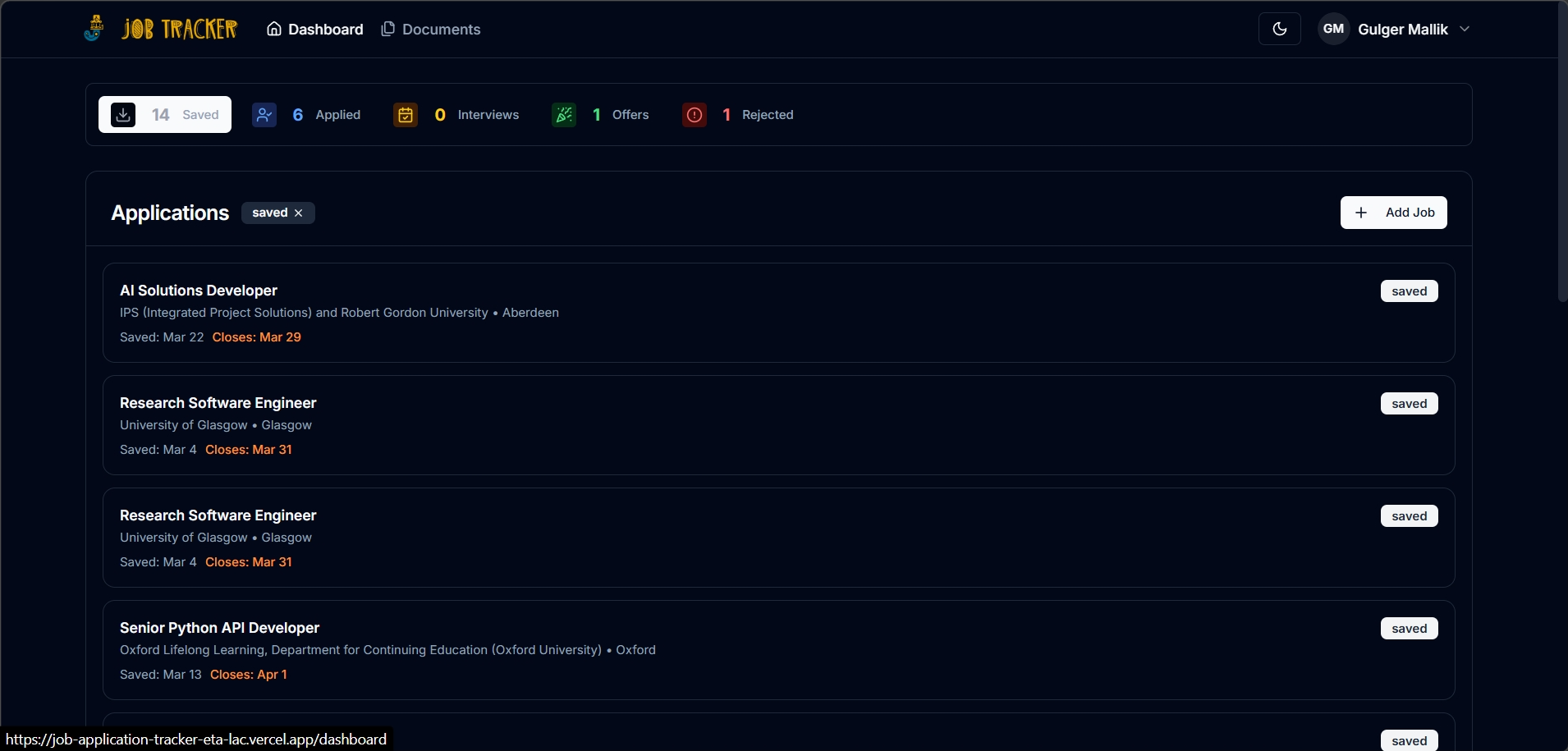
The most immediate benefit of the AI tracker was its ability to centralize everything. Instead of scattered files, every application—from initial link capture to final rejection notice—resided in one dynamic dashboard.
Automated Data Capture
Most trackers allow you to input data manually, but the real efficiency gain comes from automated capture. By importing or pasting the job description URL, the system intelligently parsed key data points: company name, role title, location, required qualifications, and crucially, the application deadline. This saved me valuable minutes on every single application, minutes that were immediately reinvested into customizing the documents themselves.
Visualizing the Pipeline
The visual pipeline view transformed my perspective from reactive chaos to proactive management. I could instantly see how many applications were in the 'Applied' stage, how many were awaiting an interview, and which required immediate follow-up. This visibility allowed me to prioritize my energy effectively, focusing on roles that were genuinely progressing rather than constantly worrying about applications that had gone cold.
Leveraging LLMs for ATS Optimization
The true game-changer in this specific tool was the integration of advanced LLMs. In today’s hiring landscape, Applicant Tracking Systems (ATS) are the gatekeepers. If your resume doesn't contain the right keywords or structure, it often never reaches human eyes. The AI tracker directly addressed this hurdle.
Job Description Analysis and Keyword Mapping
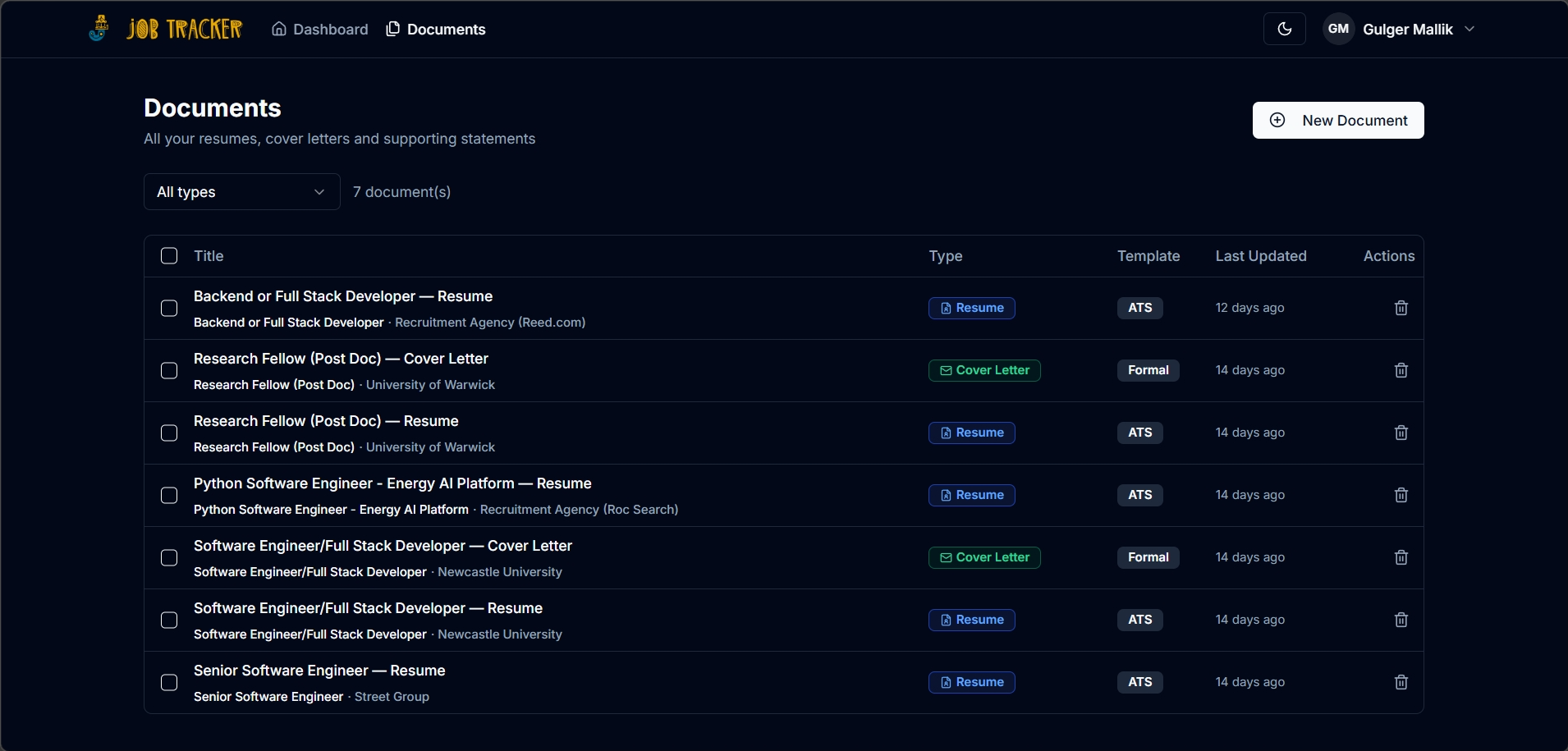
Once the JD was ingested, the AI performed a deep analysis. It didn't just highlight keywords; it categorized them based on importance (e.g., hard skills, soft skills, required experience levels). This analysis was then cross-referenced against my stored master resume.
The AI highlighted a 40% keyword mismatch between my generic resume and the target JD—a gap I would have completely missed if relying solely on manual review.
Dynamic Resume and Cover Letter Generation
This is where the heavy lifting was automated. Based on the JD analysis, the tool could instantly generate tailored versions of my resume and cover letter. It intelligently swapped out bullet points from my master document that matched the required skills, ensuring maximum keyword density and relevance for that specific role.
- For the Resume: It ensured that quantifiable achievements directly addressed the JD’s core competencies, reordering sections if necessary.
- For the Cover Letter: It drafted a compelling narrative, weaving in specific achievements that directly answered the 'why you' for that exact position, moving far beyond generic praise of the company.
Crucially, these generated documents were starting points, not final products. They provided the ATS-optimized framework, allowing me to spend my limited review time polishing the tone and ensuring the narrative flowed naturally, rather than spending hours on keyword stuffing.
Enhancing Interview Preparation
The utility of the tracker extended beyond the application submission phase. When an interview was scheduled, the connection between the JD, the submitted resume, and the interview preparation materials became seamless.
Generating Targeted Q&A
The LLM functionality was capable of synthesizing the job requirements and my application materials to predict likely interview questions. It generated specific behavioral and technical questions based on the skills listed in the JD that I had claimed proficiency in on my resume. This meant my preparation was laser-focused.
- If the JD heavily emphasized 'Agile methodology,' the tool prompted me to prepare detailed STAR method answers specifically related to my Agile project experience.
- It ensured I had relevant stories ready for every core requirement listed in the original posting, preventing the common pitfall of being stumped by a question related to a skill I mentioned but didn't deeply prepare for.
Reducing Cognitive Load and Burnout
Perhaps the most undervalued benefit was the reduction in cognitive load. Job searching is emotionally taxing. When you are constantly switching contexts—from tailoring a resume to researching a company’s recent press release to updating a tracking sheet—mental fatigue sets in quickly, leading to errors or procrastination.
By offloading the repetitive, administrative, and highly detailed tasks of keyword matching and initial drafting to the AI, I freed up significant mental bandwidth. I could approach each application with fresh energy, focusing on the strategic elements: networking calls, interview responses, and genuine enthusiasm for the role, rather than worrying if I had remembered to change the date on the supporting statement.
A Tool for Professional Scaling
For professionals targeting mid-to-senior level roles, the expectation is rarely just to apply; it’s to apply strategically and demonstrate deep alignment with complex requirements. A generic approach signals a lack of attention to detail. The AI Job Application Tracker allowed me to operate like a small, highly efficient application agency dedicated solely to my career advancement.
It turned a scattered, anxiety-inducing process into a measurable, manageable project. If you are applying to more than five relevant roles concurrently and feeling the strain of customization, adopting an AI-powered system is no longer a luxury—it’s a necessary investment to ensure your applications are seen, understood, and prioritized by both automated systems and human recruiters.
Related Articles
ORBIS
ORBIS is the operational backbone I built to run my entire business. It unifies accounting,...
Job Tracker AI
JobTracker AI is a smart, streamlined platform I built to organise, track, and optimise every stage...
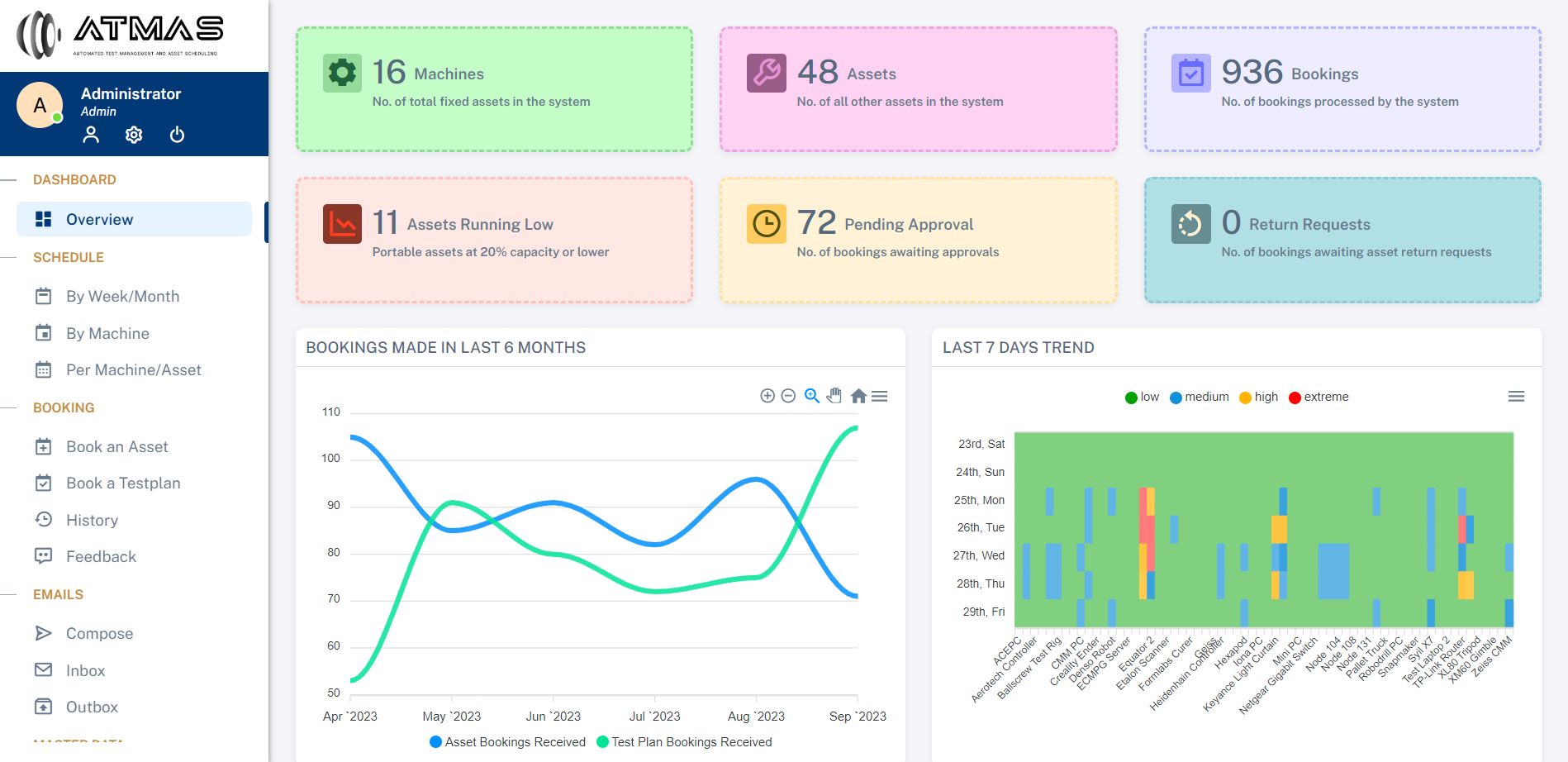
ATMAS
ATMAS is a scalable, automated system built to streamline test management and asset scheduling,...
CMS One
CMS One is the headless CMS I use to manage all my personal blogs and project content. Its...

ML for Carbon Capture and Storage
A UKRI‑funded research project with the University of Huddersfield and Terrasphere, developing...
Ready to Build Something Amazing?
Let's collaborate on your next project and create solutions that make a difference.
Get In Touch