

The Rise of the AI Orchestrator

Gulger Mallik
Software Engineer & AI Researcher
Discover how AI orchestrators are transforming simple LLMs into complex workflow managers capable of autonomous task execution and system integration.
Beyond the Chatbot: The New Era of AI
For the past two years, the conversation around artificial intelligence has been dominated by Large Language Models (LLMs) acting as sophisticated conversationalists. We have marveled at their ability to write essays, summarize documents, and generate code. However, a significant shift is occurring. We are moving away from 'Chatbot AI' toward 'Agentic AI,' powered by a central nervous system known as the AI Orchestrator.
The AI orchestrator represents the next logical step in the evolution of automation. While an LLM provides the intelligence, the orchestrator provides the logic, the memory, and the hands to interact with the real world. It is the difference between a consultant who gives you advice and a project manager who actually gets the work done.
What Exactly is an AI Orchestrator?
At its core, an AI orchestrator is a software layer that sits between the user and a variety of tools, models, and data sources. Its primary job is to take a high-level objective and decompose it into a sequence of actionable steps. It doesn't just predict the next word; it predicts the next necessary action.
An orchestrator typically manages three critical functions:
- Planning: Breaking down a complex prompt (e.g., 'Analyze our Q3 churn and update the CRM') into logical sub-tasks.
- Routing: Deciding which model or tool is best suited for each sub-task, such as using a specialized SQL agent for data retrieval and a creative agent for email drafting.
- Execution and Error Correction: Running the tasks, checking for errors, and iterating if the result doesn't meet the objective.

The Shift from Passive to Active Systems
The rise of the orchestrator marks a transition from passive AI to active AI. In a passive system, the human is the orchestrator—you copy-paste data from a spreadsheet into a prompt, take the output, and paste it into an email. In an active system, the AI orchestrator handles the 'glue work' between these applications.
The true power of AI is not found in the model itself, but in the system's ability to coordinate multiple models and tools toward a single, complex goal.
Task Decomposition and Reasoning
One of the most impressive feats of an orchestrator is its ability to reason through uncertainty. If a tool returns an error, a standard script would fail. An orchestrator, however, can analyze the error, adjust its plan, and try an alternative route. This 'self-healing' capability is essential for building reliable enterprise-grade AI applications.
Why Businesses are Adopting Orchestration
For organizations, the benefits of AI orchestration are clear and immediate. It allows for the creation of autonomous workflows that can scale without a linear increase in headcount.
- Increased Efficiency: Automating multi-step processes that previously required human oversight.
- Interoperability: Linking legacy software with modern AI capabilities without rewriting the entire tech stack.
- Consistency: Ensuring that complex tasks follow a standardized logic and governance framework every time.

Conclusion
The rise of the AI orchestrator signifies that we are entering the 'implementation phase' of the AI revolution. It is no longer enough to have a smart model; businesses need a smart way to manage those models. As orchestration frameworks like LangGraph and AutoGPT continue to mature, the focus will shift from what AI can say to what AI can do.
Related Articles

ORBIS
ORBIS is the operational backbone I built to run my entire business. It unifies accounting,...

Job Tracker AI
JobTracker AI is a smart, streamlined platform I built to organise, track, and optimise every stage...
ATMAS
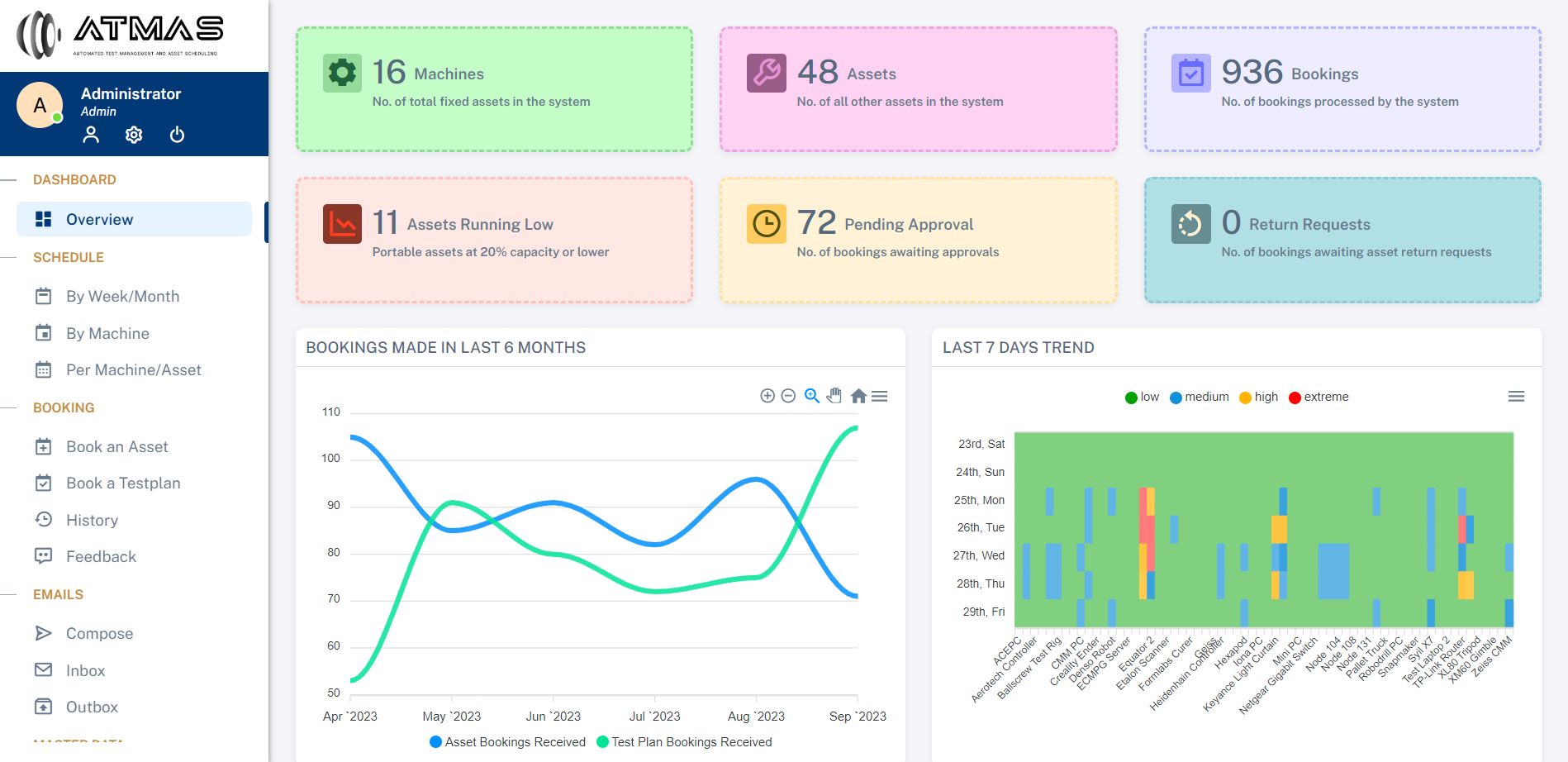
ATMAS is a scalable, automated system built to streamline test management and asset scheduling,...

CMS One
CMS One is the headless CMS I use to manage all my personal blogs and project content. Its...

ML for Carbon Capture and Storage
A UKRI‑funded research project with the University of Huddersfield and Terrasphere, developing...
Ready to Build Something Amazing?
Let's collaborate on your next project and create solutions that make a difference.
Get In Touch