
Building the Digital Backbone for Soil Carbon Innovation

Gulger Mallik
Software Engineer & AI Researcher
Explore the three core technological assets powering the Tierrasphere initiative: the internal modeling tool, the frontend prototype, and the public-facing website.
Building the Digital Backbone for Soil Carbon Innovation: The Tierrasphere Tech Stack
The Tierrasphere environmental initiative is at the forefront of leveraging technology to address critical challenges in soil carbon sequestration and ecosystem monitoring. Effective environmental research, especially in complex fields like soil science, requires robust, tailored digital infrastructure. To support its ambitious goals, Tierrasphere has developed a carefully curated set of digital assets, each serving a distinct but interconnected purpose: facilitating deep scientific analysis, visualizing future user experiences, and ensuring broad public engagement. This post delves into the three essential technological pillars supporting the Tierrasphere mission: the powerful Tierrasphere Internal Tool, the insightful Frontend Prototype, and the public-facing Tierrasphere Website built on Squarespace.
Pillar One: The Tierrasphere Internal Tool – The Engine of Scientific Discovery
At the core of Tierrasphere’s analytical capabilities lies the Internal Tool, a custom-built web application serving as the primary workbench for researchers and domain experts. This platform is not merely a data repository; it is an integrated environment engineered specifically to handle the complexities of soil profile data, geospatial indicators, and advanced predictive modeling.
Intuitive Access to Complex Data
Soil carbon modeling requires synthesizing heterogeneous data sources—from physical soil samples to satellite imagery and climate variables. The Internal Tool abstracts this complexity into an interactive dashboard format. Researchers gain intuitive access to critical inputs, allowing them to manipulate parameters, visualize spatial correlations, and immediately see the impact on carbon stock estimates. This direct, visual feedback loop significantly accelerates the research cycle.
Machine Learning Integration and Validation
A key feature of the tool is its integration with machine learning-based predictions. Whether the algorithms are estimating long-term sequestration potential or flagging areas of high uncertainty, the tool provides a centralized interface for model validation. Domain experts can compare algorithmic outputs against established ground-truthed data, ensuring that the predictive models used for Tierrasphere’s reports are both accurate and reliable. This capability transforms the tool from a simple visualization layer into a critical component of scientific quality assurance.
Scalability and Security on Azure
Hosting the platform on Microsoft Azure was a strategic decision. Environmental data, particularly proprietary modeling outputs, demands high security and scalability. Azure provides the necessary infrastructure to handle increasing data volumes as Tierrasphere expands its monitoring footprint globally. Furthermore, the cloud environment supports fast prototyping, allowing the development team to rapidly iterate on features based on direct feedback from the research team, keeping the tool perfectly aligned with evolving scientific needs.
The Tierrasphere Internal Tool acts as the central interface, bridging complex geospatial analysis with accessible, interactive visualization for rapid model validation.
Pillar Two: The Tierrasphere Frontend Prototype – Visualizing the Future User Experience
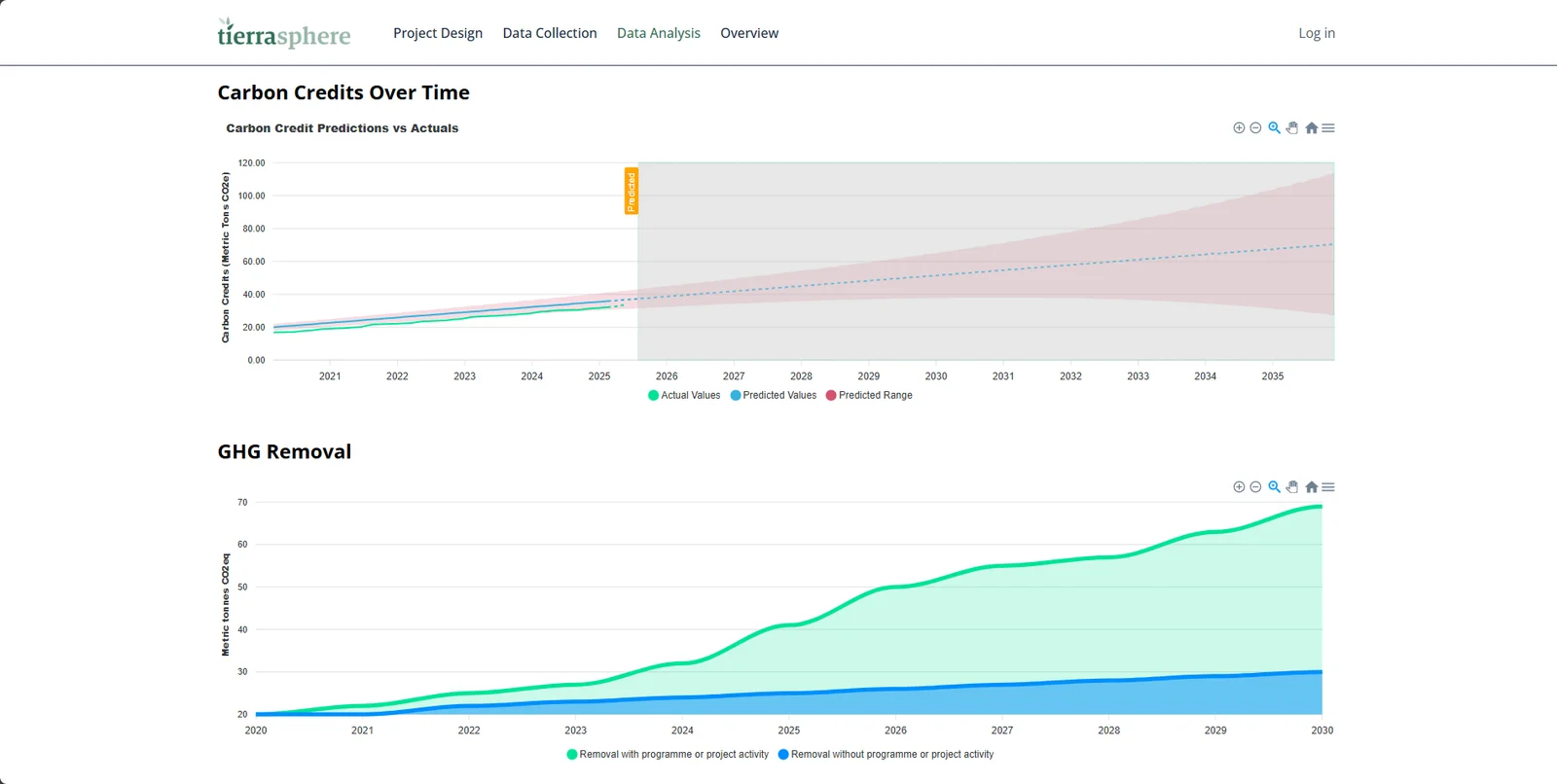
While the Internal Tool is built for deep analysis, the Tierrasphere Frontend Prototype serves a different, yet equally crucial, purpose: communication and alignment. Before investing significant engineering resources into building the final, full-scale analytics platform, a clickable prototype was essential to map out the intended user journey.
Bridging Technical and Non-Technical Gaps
In large-scale environmental projects, alignment between the data scientists, software engineers, and project leadership is paramount. The prototype allows stakeholders who may not be deeply versed in the underlying modeling algorithms to interact with a realistic representation of the final product. This visualization helps answer critical questions early in the development cycle: Is the navigation intuitive? Are the key data interaction features clearly presented? Does the layout support efficient decision-making?
Iterative Design and Feedback Loops
The prototype facilitates rapid, low-fidelity testing of user interface (UI) and user experience (UX) concepts. By simulating workflows—such as selecting a geographic region, applying a specific soil carbon model, and viewing the results summary—the team can gather qualitative feedback on usability before any heavy backend integration occurs. This iterative approach minimizes the risk of building features that are technically sound but impractical for the end-user, saving substantial development time and resources in the long run.
- Communicates intended navigation flow to technical stakeholders.
- Allows non-technical collaborators to visualize data interaction features.
- Acts as a blueprint for the future full-scale analytics platform.
Pillar Three: The Tierrasphere Website (Squarespace) – Amplifying Mission and Outreach
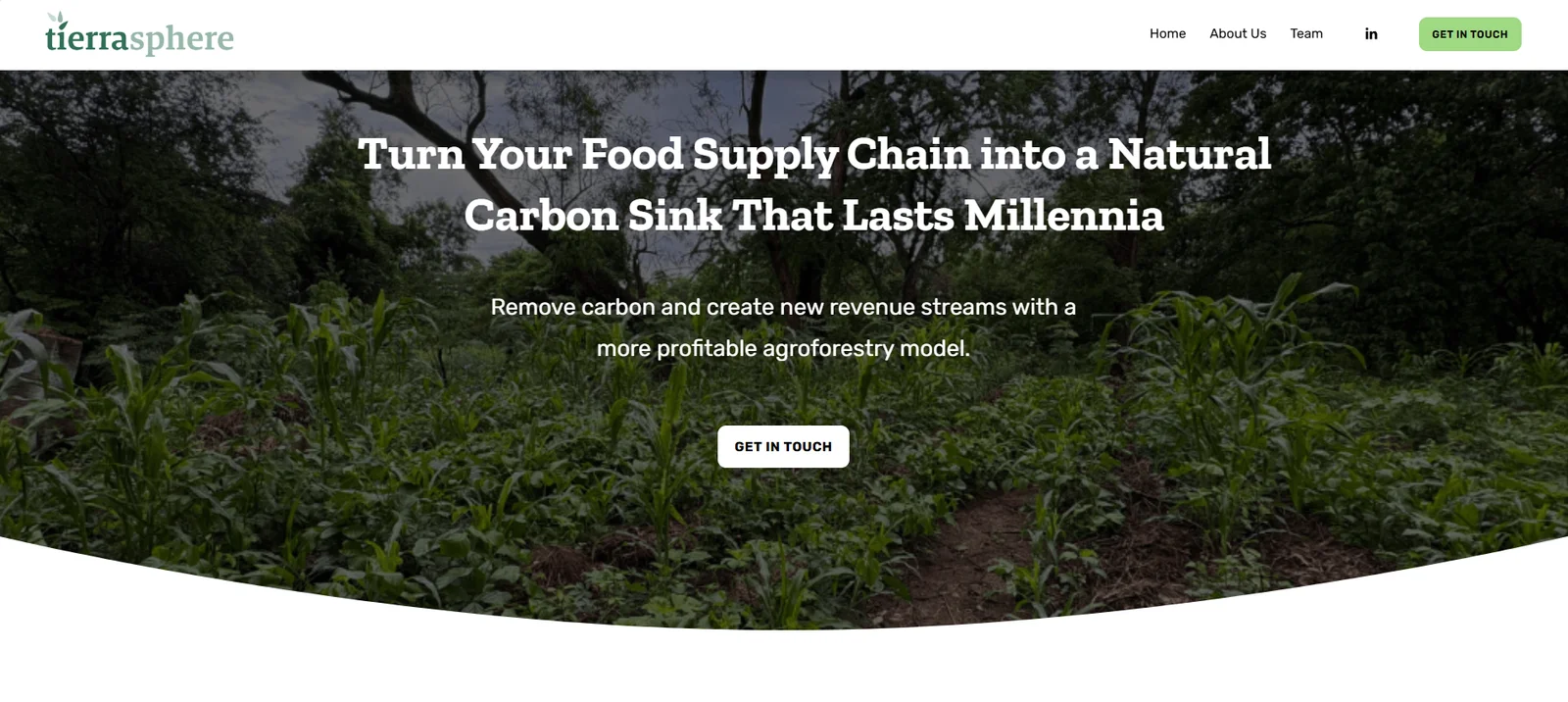
While the internal tools manage the science, the public-facing Tierrasphere Website ensures the initiative's mission reaches the broader world. Recognizing the need for an accessible, professional, and easily maintainable platform for external communication, the team chose Squarespace to develop the official site.
A Hub for Stakeholder Engagement
The website serves as the primary communication nexus for Tierrasphere. It is designed to inform stakeholders, potential research partners, and the general public about the importance of soil carbon monitoring, the research goals being pursued, and the tangible impact of the project. By clearly outlining the initiative’s vision, the site builds credibility and fosters necessary collaborations.
Leveraging Platform Strengths for Visibility
The selection of Squarespace provided significant advantages. It allowed the team to rapidly deploy a visually appealing and fully responsive website without needing extensive dedicated web development resources. The focus shifted from managing complex server infrastructure to content creation and design refinement. The team utilized Squarespace’s integrated builder tools for layout and styling, while strategically employing custom CSS for specific design tweaks that aligned the site perfectly with Tierrasphere’s branding. Crucially, the platform’s built-in SEO optimization features were leveraged to ensure that research findings and project updates are discoverable by the relevant audiences searching for information on soil carbon and sustainability.
Complementing Internal Research
It is important to note the symbiotic relationship between the public website and the internal tools. While the Internal Tool handles the raw data and complex calculations, the Squarespace site translates those complex outputs into digestible narratives about progress and impact. It bridges the gap between intensive scientific labor and public accountability, ensuring that the work done behind the scenes translates into tangible benefits and broader understanding.
The Synergy of Three Distinct Technologies
The success of an initiative like Tierrasphere hinges on this multi-layered technological approach. Each component addresses a unique phase of the project lifecycle:
- The Tierrasphere Internal Tool ensures scientific rigor, data integrity, and model accuracy via a secure, scalable Azure environment.
- The Frontend Prototype validates usability and communication pathways before full development, ensuring the final product meets user needs efficiently.
- The Squarespace Website maximizes public outreach, transparency, and partnership opportunities by providing an accessible, professionally managed communication portal.
In conclusion, Tierrasphere demonstrates a sophisticated approach to environmental technology development. By custom-building a powerful analytical engine, validating the user experience through prototypes, and maintaining a strong public voice through optimized web presence, the initiative has established a robust digital infrastructure ready to support significant advancements in soil carbon research for years to come.
Related Articles

Chaos of Traditional Job Hunting
Discover how an AI-powered Job Application Tracker transformed my job search, streamlining...

Visualizing Strategic Positioning
Discover how a custom React and ApexCharts app visualizes strategic differentiation using Blue...

The Value of Alumni Engagement in Career Development
Reflecting on the rewarding experience of serving as an Alumni Panelist, sharing professional...
How I used Google's Antigravity AI Tool
Explore the reality of Google's Antigravity AI tool. Discover how this powerful technology...

Building a Home and a Career Abroad
From a one-way ticket to a staff designation: an international student shares the demanding but...
Ready to Build Something Amazing?
Let's collaborate on your next project and create solutions that make a difference.
Get In Touch