
How I used Google's Antigravity AI Tool

Gulger Mallik
Software Engineer & AI Researcher
Explore the reality of Google's Antigravity AI tool. Discover how this powerful technology amplifies, rather than replaces, the role of the modern Software Engi
The recent unveiling of Google's Antigravity—an ambitious project from DeepMind promising to reshape software development—has ignited the usual firestorm of debate across the industry. Will this tool be the final evolutionary step, rendering traditional Software Engineers obsolete? Or is it merely the next powerful iteration of tooling, much like the transition from assembly to high-level languages?
Rather than relying on speculation or the echo chamber of online opinion, I decided to put Antigravity to the test. I needed hands-on experience to understand its true capabilities and limitations. The resulting experience was not one of obsolescence, but of profound acceleration.
First Impressions: Beyond the Hype
What DeepMind has accomplished with Antigravity is genuinely impressive. It moves beyond simple code completion; it grasps context, intent, and architectural patterns with surprising agility. It smooths out the friction points that traditionally consume an engineer’s day—the boilerplate, the integration headaches, and the initial scaffolding.
The Test Project: An Interview Preparation Tool
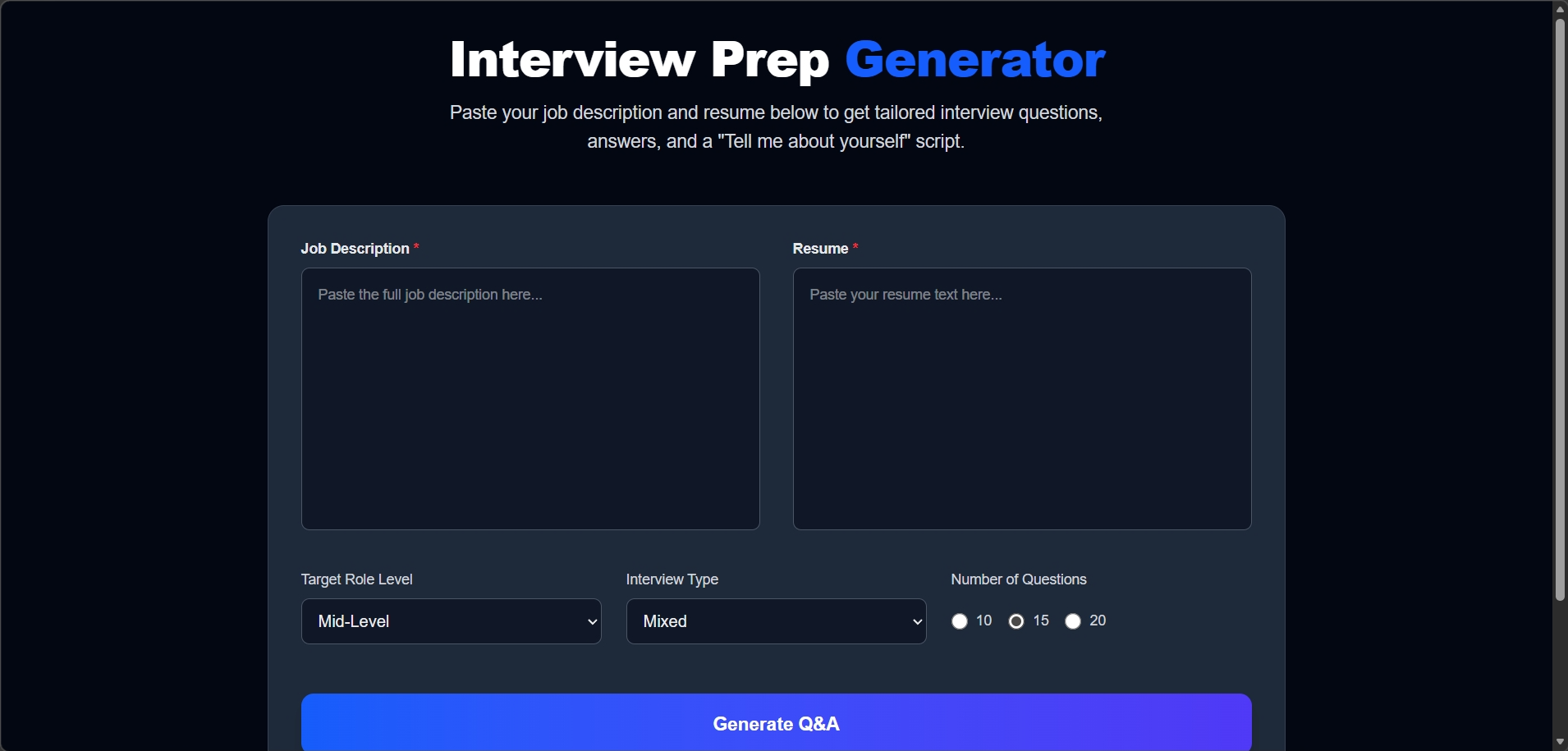
To gauge its effectiveness, I tasked Antigravity with building a specific utility: a tool that ingests a user's CV (Curriculum Vitae) and a target Job Description, then generates a set of tailored, realistic interview questions and suggested answers based on the overlap between the two documents. This required data parsing, semantic matching, and structured output generation—a perfect microcosm of a small, useful application.
The speed at which the initial structure materialized was startling. Within minutes, I had a functional frontend scaffold, API endpoints defined, and the core logic for comparison drafted. It felt less like coding and more like directing a highly competent, tireless junior developer.
Coded by Antigravity. Engineered by a human.
This phrase became my mantra during the process. The AI handled the 'how' of implementation remarkably well, but the 'what' and the 'why' remained firmly in my control. The tool is available here for you to explore the result of this collaboration: https://interview-prep-ten-lac.vercel.app/ (Note: This demo is a simplified version showcasing the core concept, with specific prompts directing the AI’s output.)
The Amplification Effect: Where Engineers Still Dominate
The core takeaway from using Antigravity is that it shifts the engineering bottleneck. Previously, the bottleneck was often the sheer volume of typing, debugging syntax, or wrestling with documentation for obscure libraries. Antigravity obliterates those barriers.
1. Architectural Vision and Decomposition
AI tools excel at implementing defined tasks. They struggle, however, with defining the optimal high-level architecture for a system that must scale to millions of users over five years while interfacing with legacy systems. That requires strategic foresight, understanding business constraints, and making trade-offs that have non-technical implications. The engineer remains the architect.
2. Prompt Engineering as a New Core Skill
If the AI handles the implementation details, the engineer’s primary value shifts to clear communication. Crafting the perfect prompt—one that specifies constraints, desired output format, error handling expectations, and context—is now a critical engineering skill. A vague prompt yields mediocre code; a precise prompt yields production-ready scaffolding.
Consider this example of how specificity matters when asking Antigravity to handle data processing:
// Vague Prompt (Leads to generic solution)
"Write a function to process user data."

// Precise Prompt (Leads to tailored, robust solution)
"Generate a TypeScript function named 'sanitizeAndValidateUser' that accepts a raw JSON object. It must validate that 'email' is RFC 5322 compliant and 'age' is an integer between 18 and 99. If validation fails, return an error object detailing the failing field. If successful, return the sanitized object, ensuring all string fields are trimmed of whitespace. Use strict null checks."
The difference between the two prompts is the difference between a starting point and a near-final deliverable.
3. The Necessity of Review and Integration
AI-generated code is often contextually correct but rarely systemically perfect. It might use deprecated patterns, introduce subtle security vulnerabilities that only surface under load, or fail to integrate seamlessly with the existing codebase's unique conventions (like proprietary logging frameworks or specific dependency versions). The engineer's role evolves into that of a high-level reviewer, security auditor, and integration specialist.
The Historical Context: Tools vs. Replacement
The fear that new technology will eliminate jobs is as old as the industrial revolution. When compilers became widespread, there were fears that assembly programmers would vanish. When IDEs introduced powerful debugging and refactoring tools, some worried about the need for deep system knowledge. In every case, the role didn't disappear; it ascended.
- Assembly Programmers -> C/C++ Developers: Focused on performance tuning and memory management at a higher abstraction layer.
- Junior Coders -> Senior Architects: Freed from boilerplate to focus on complex system design and cross-team coordination.
- Current Engineers -> AI-Augmented Engineers: Shifting focus from implementation syntax to high-level strategy, prompt refinement, and validation.
Antigravity is simply the most advanced tool yet in this lineage. It allows a single engineer to achieve the output velocity previously requiring a small team dedicated to scaffolding and initial implementation. This means projects can move faster, and the focus shifts to solving the truly novel, difficult problems that require human creativity and domain expertise.
Preparing for the AI-Augmented Future
For engineers feeling uneasy, the path forward is clear: embrace the tool, but master the context it lacks. Don't compete with Antigravity on speed of typing; compete on the quality of the initial instruction and the rigor of the final validation.
Actionable Steps for Engineers
- Deepen System Knowledge: Understand the 'why' behind your existing architecture. AI can build a component, but only you know how it must interact with that legacy database schema from 2012.
- Become a Prompt Guru: Practice turning vague requirements into strict, executable prompts. Treat prompt engineering as a formal part of your development workflow.
- Focus on Testing and Security: AI-generated code requires aggressive testing. Your value increases when you can verify, secure, and stress-test AI output faster than anyone else.
- Master Abstraction: Spend more time designing interfaces and contracts between services, and less time writing the implementation details within those contracts.
Conclusion: The Future is Collaborative
Google Antigravity is not a replacement for Software Engineers; it is a force multiplier for competent, thoughtful ones. It automates the tedious, leaving us to focus on the challenging, creative, and strategic aspects of building software.
I will be publishing a detailed breakdown soon on Medium, including the exact sequence of prompts, architectural decisions, and specific challenges encountered while building the interview preparation tool. Stay tuned for the deep dive into the mechanics of this new era of engineering.
Related Articles

ORBIS
ORBIS is the operational backbone I built to run my entire business. It unifies accounting,...

Job Tracker AI
JobTracker AI is a smart, streamlined platform I built to organise, track, and optimise every stage...
ATMAS
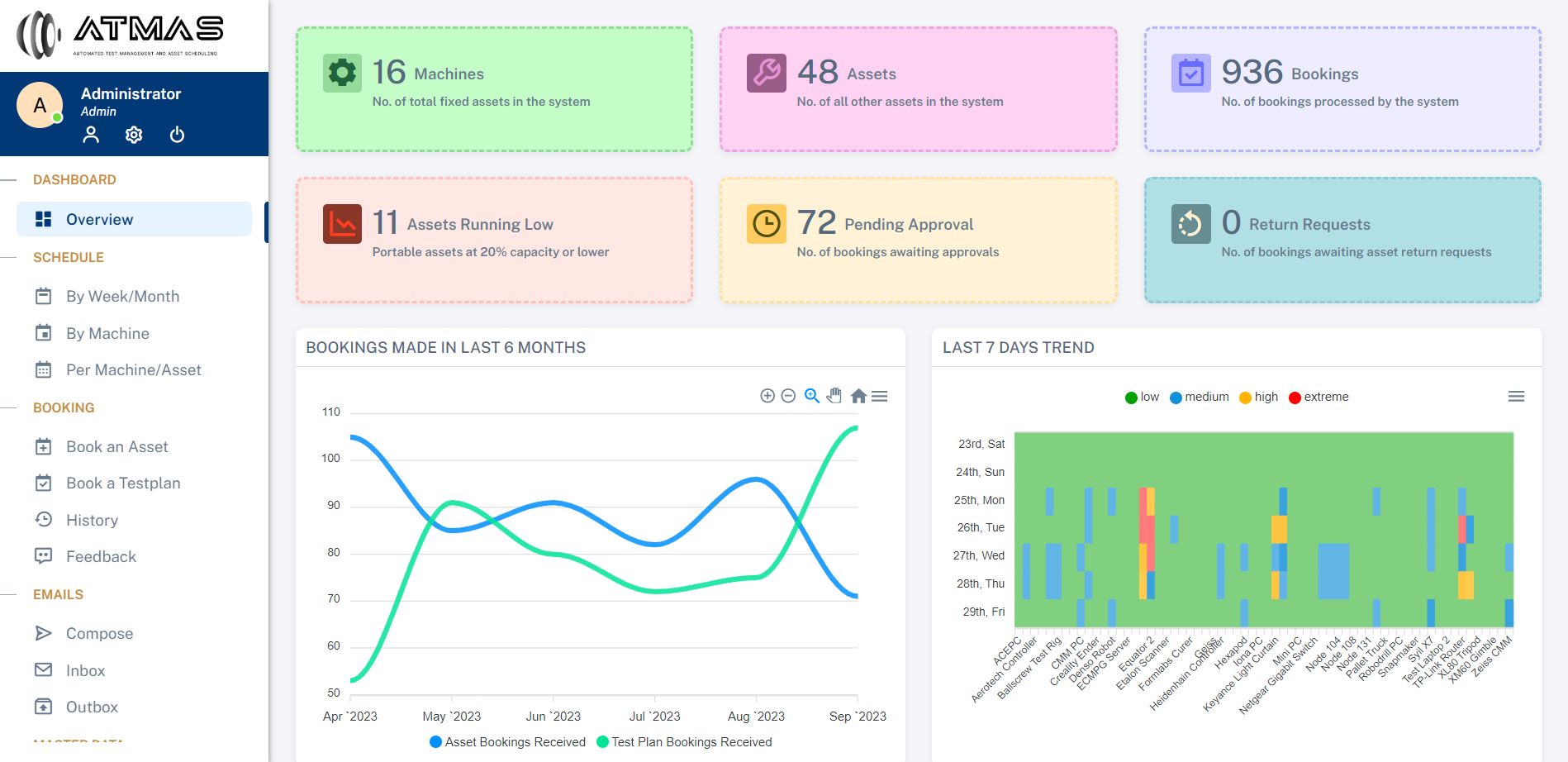
ATMAS is a scalable, automated system built to streamline test management and asset scheduling,...

CMS One
CMS One is the headless CMS I use to manage all my personal blogs and project content. Its...
ML for Carbon Capture and Storage
A UKRI‑funded research project with the University of Huddersfield and Terrasphere, developing...
Ready to Build Something Amazing?
Let's collaborate on your next project and create solutions that make a difference.
Get In Touch