

LifePharma E-commerce Platform

Gulger Mallik
Software Engineer & AI Researcher
A detailed review of the LifePharma project, a final-year endeavor focused on developing a simulated pharmaceutical e-commerce platform, highlighting key features.
Project Deep Dive: LifePharma E-commerce Platform
The LifePharma project served as a capstone experience during my bachelor's degree, focusing on the end-to-end development of a functional, simulated e-commerce platform specifically tailored for pharmaceutical sales. This undertaking was instrumental in moving beyond theoretical knowledge to practical application, encompassing core aspects of modern web development, including robust user authentication, intricate inventory and order management, and dynamic shopping cart mechanics. The primary goal was to architect a system that mirrored the complexity and security requirements of a real-world online retail environment, albeit within a controlled, educational scope.
Developing LifePharma provided invaluable hands-on experience in synthesizing various web technologies to create a cohesive user journey. From the initial product browsing phase to final simulated checkout, every component was built to foster a deep understanding of system integration and user experience design within an online sales context.
Core Architectural Features and Functionality
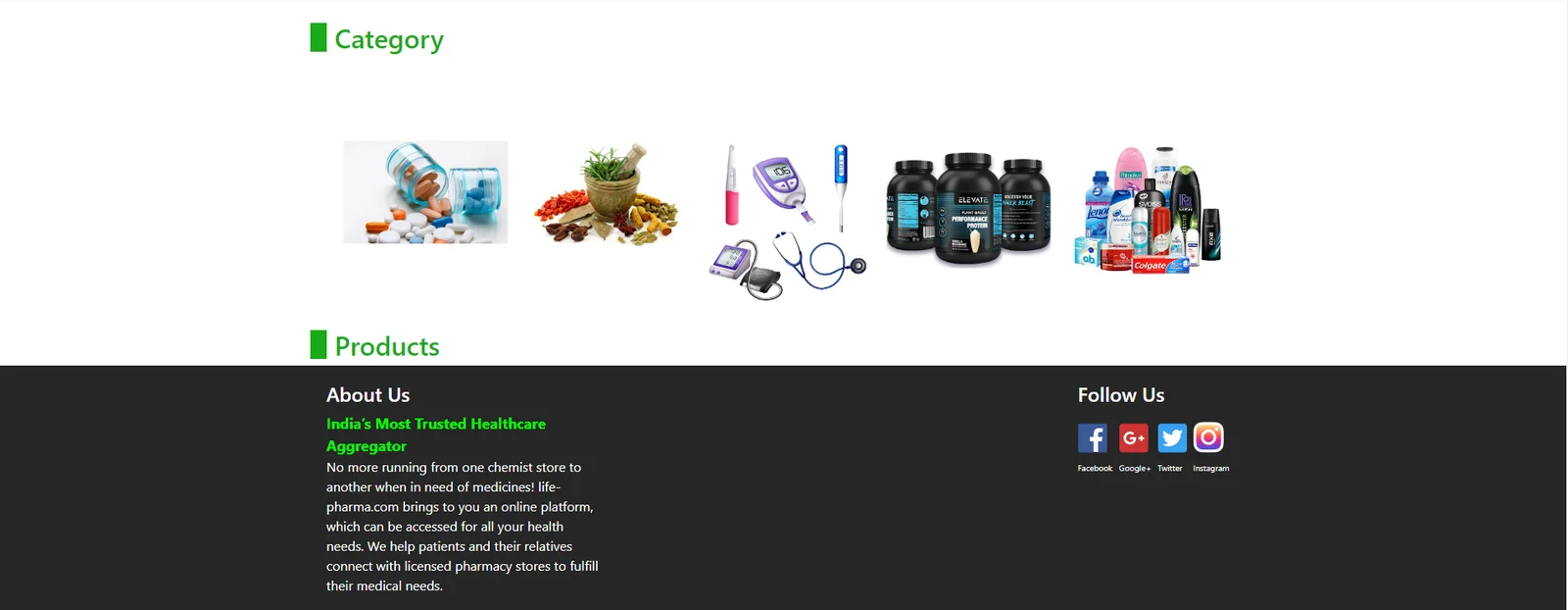
The platform was designed around five critical functional pillars necessary for any successful e-commerce application. Each feature required careful planning regarding data structure, state management, and user interaction flows.
- Customer Login and Account Management: Implementation of secure authentication protocols to handle user registration, login, and personalized account dashboards. This involved ensuring data integrity and managing access control for sensitive user information.
- Comprehensive Order Management System: Development of backend logic to process, track, and update the status of placed orders. This system needed to interface seamlessly with the inventory database to simulate stock deduction upon purchase confirmation.
- Functional Shopping Cart: Building a dynamic cart mechanism capable of adding, removing, and updating quantities of pharmaceutical products. This required robust client-side logic coupled with server-side validation to prevent inconsistencies.
- Wishlist Functionality: Integrating a feature allowing registered users to save items for later consideration without committing to a purchase immediately, enhancing user retention and future sales potential.
- Stateful Session Management: Utilizing server-side mechanisms (like cookies or server sessions) to maintain user context across multiple requests, ensuring a persistent and personalized browsing and shopping experience.
Navigating Technical Hurdles: Challenges and Solutions
The development lifecycle for LifePharma was not without significant technical obstacles, primarily centered on security and usability, which are paramount in any application dealing with simulated sensitive data like health-related products.
Data Security and Authentication Integrity
A primary concern was establishing a robust customer login system. In a real-world scenario, pharmaceutical data requires stringent protection. For this project, the focus was on implementing best practices for credential handling, such as hashing passwords securely (e.g., using bcrypt) and employing parameterized queries to mitigate SQL injection risks, even though the system was simulated.
Security in an e-commerce context is non-negotiable; even in a proof-of-concept, implementing industry-standard hashing algorithms for user credentials forms the bedrock of trust.
Maintaining Session Consistency
Managing user sessions across stateless HTTP requests proved challenging. Ensuring that the shopping cart contents persisted accurately while the user navigated between product pages, the wishlist, and the checkout process required meticulous configuration of server-side session storage. A failure here would result in lost cart data, a critical failure in the user experience.
A simplified conceptual representation of session data handling might look like this in a backend framework (e.g., Node.js/Express):
const express = require('express');
const session = require('express-session');
const app = express();

app.use(session({
  secret: 'aVerySecretKeyForSessionSigning',
  resave: false,
  saveUninitialized: true,
  cookie: { maxAge: 3600000 } // 1 hour
}));

app.post('/cart/add/:productId', (req, res) => {
  // Initialize cart if it doesn't exist in the session
  if (!req.session.cart) {
    req.session.cart = [];
  }

  const product = { id: req.params.productId, quantity: 1 };
  req.session.cart.push(product);

  res.send({ message: 'Item added to cart successfully', cartCount: req.session.cart.length });
});
Achieving Usability Through Iterative Design
Beyond the backend logic, creating an interface that was intuitive for browsing and purchasing pharmaceuticals—a domain often perceived as complex—demanded iterative frontend refinement. This involved ensuring clear product categorization, legible dosage information presentation, and a straightforward checkout flow to minimize abandonment rates.
Skill Development and Foundational Impact
Although the LifePharma project remained an internal academic exercise, never achieving live public deployment or hosting, its impact on my technical proficiency was profound. It served as a comprehensive sandbox for applying theoretical knowledge under simulated commercial pressure.
Bridging Frontend and Backend Integration
The project necessitated mastering the communication layer between the client (frontend) and the server (backend). Developing RESTful API endpoints for cart updates, order submission, and user profile retrieval solidified my understanding of data serialization (JSON) and asynchronous request handling. This integration experience is directly transferable to any modern full-stack role.
- Practical Database Schema Design: Designing schemas to support complex relationships between Users, Products, Orders, and OrderItems.
- State Management Proficiency: Gaining hands-on experience managing application state that spans across multiple user interactions (e.g., ensuring a product added to the cart remains there upon page refresh).
- Simulated Business Logic Implementation: Translating business rules (like order processing sequences or inventory checks) into executable code.
Project Management and Scoping
As a final year project, LifePharma also served as an exercise in managing scope creep and delivering a Minimum Viable Product (MVP) within a defined timeframe. Successfully prioritizing core functionalities login, cart, and ordering, over secondary features taught critical lessons in agile development methodology and resource allocation, preparing me for larger, professional development cycles.
In summary, the LifePharma project was a foundational success. It provided the necessary friction points - security concerns, session persistence, and complex feature integration that transform theoretical coding knowledge into practical, deployable system architecture expertise, setting a strong trajectory for tackling advanced web development challenges.
Related Articles

ORBIS
ORBIS is the operational backbone I built to run my entire business. It unifies accounting,...

Job Tracker AI
JobTracker AI is a smart, streamlined platform I built to organise, track, and optimise every stage...
ATMAS
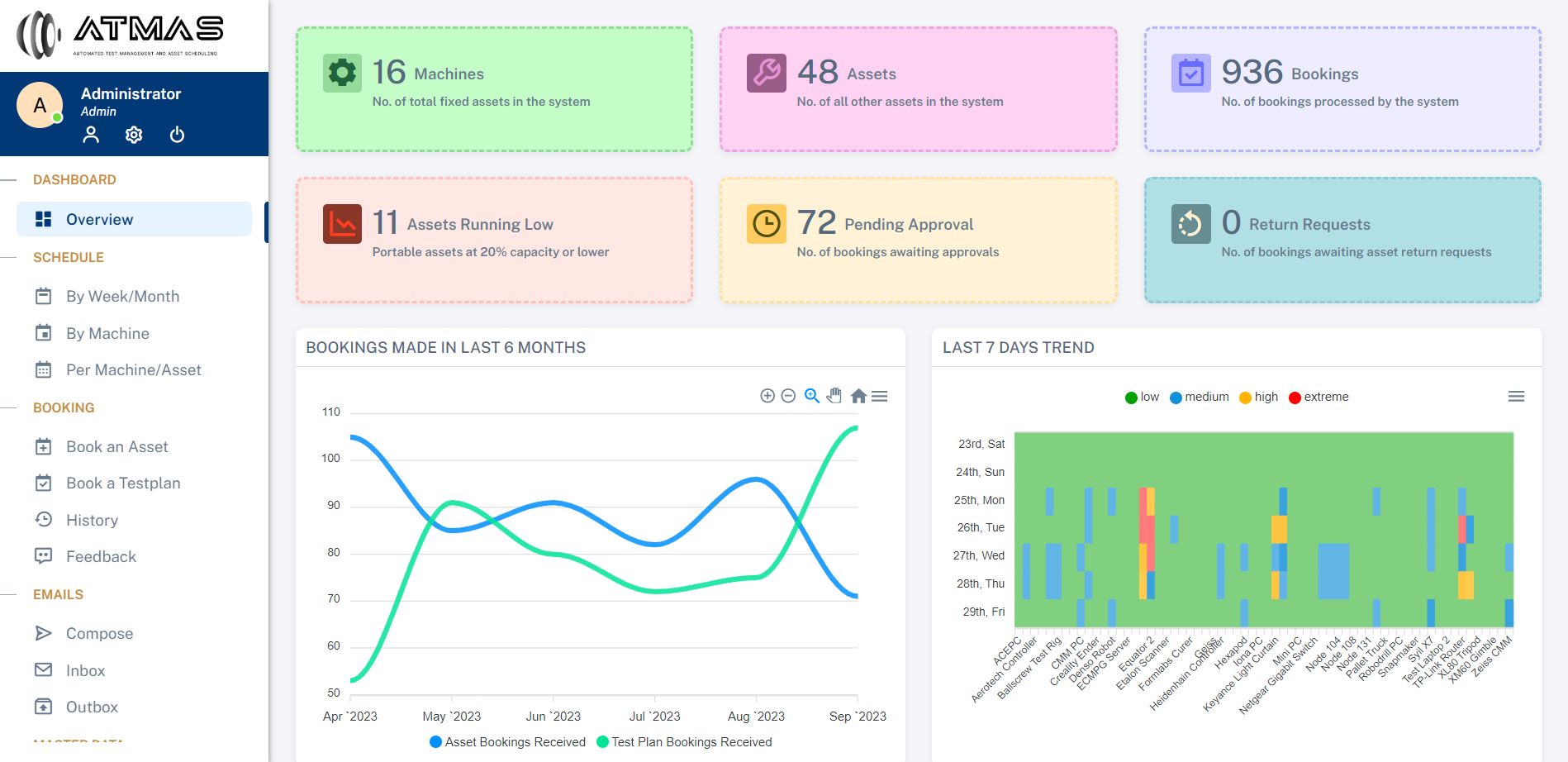
ATMAS is a scalable, automated system built to streamline test management and asset scheduling,...

CMS One
CMS One is the headless CMS I use to manage all my personal blogs and project content. Its...

ML for Carbon Capture and Storage
A UKRI‑funded research project with the University of Huddersfield and Terrasphere, developing...
Ready to Build Something Amazing?
Let's collaborate on your next project and create solutions that make a difference.
Get In Touch