
Bridging the Gap Between AI Theory and Practical SaaS Development

Gulger Mallik
Software Engineer & AI Researcher
Move beyond the hype and learn how to integrate AI effectively into your SaaS products by focusing on user value, data strategy, and scalable architecture.
The Shift from AI Experimentation to Production
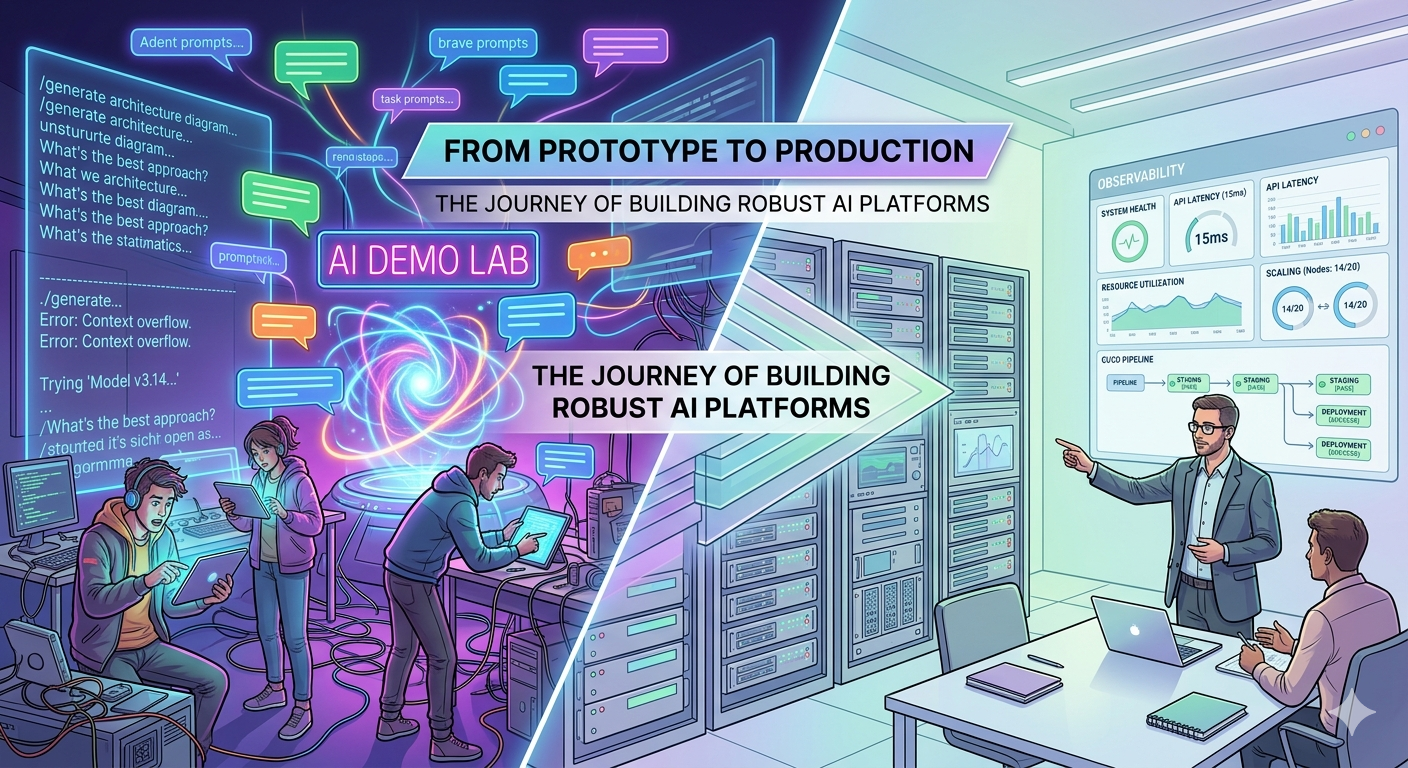
The current landscape of software development is dominated by the 'AI gold rush.' Every SaaS company is scrambling to integrate Large Language Models (LLMs) and machine learning capabilities into their platforms. However, there is a profound chasm between running a successful prompt in a chatbot interface and building a robust, production-ready AI feature that delivers consistent business value. Bridging this gap requires a shift in mindset: from treating AI as a magical novelty to treating it as a specialized component of your software engineering stack.
To succeed, developers must move past the 'demo phase' and address the complexities of latency, cost management, and output reliability. It is no longer enough to simply wrap an API call around an LLM; you must architect a system that is resilient to the non-deterministic nature of AI.
Defining the Value Proposition
Before writing a single line of code, you must identify a concrete problem that AI solves better than traditional heuristics. AI should not be added for the sake of marketing; it should be added to reduce friction or provide an output that was previously impossible to generate at scale. Ask yourself these three questions:
- Does this feature solve a recurring pain point for our power users?
- Can we measure the success of the AI output objectively?
- Is the cost of inference sustainable relative to our subscription tiers?
Architecting for Reliability
The biggest challenge in practical AI development is non-determinism. Unlike traditional code, where an input always yields the same output, AI models are probabilistic. To bridge this gap, you must implement defensive programming patterns.
Start by implementing a robust evaluation framework. You cannot improve what you do not measure. Use 'Golden Datasets'—a curated set of inputs and expected outputs—to test your prompts against every iteration. If an update to your prompt improves performance on one task but degrades another, your evaluation suite will alert you before the bug reaches production.
The Data Strategy
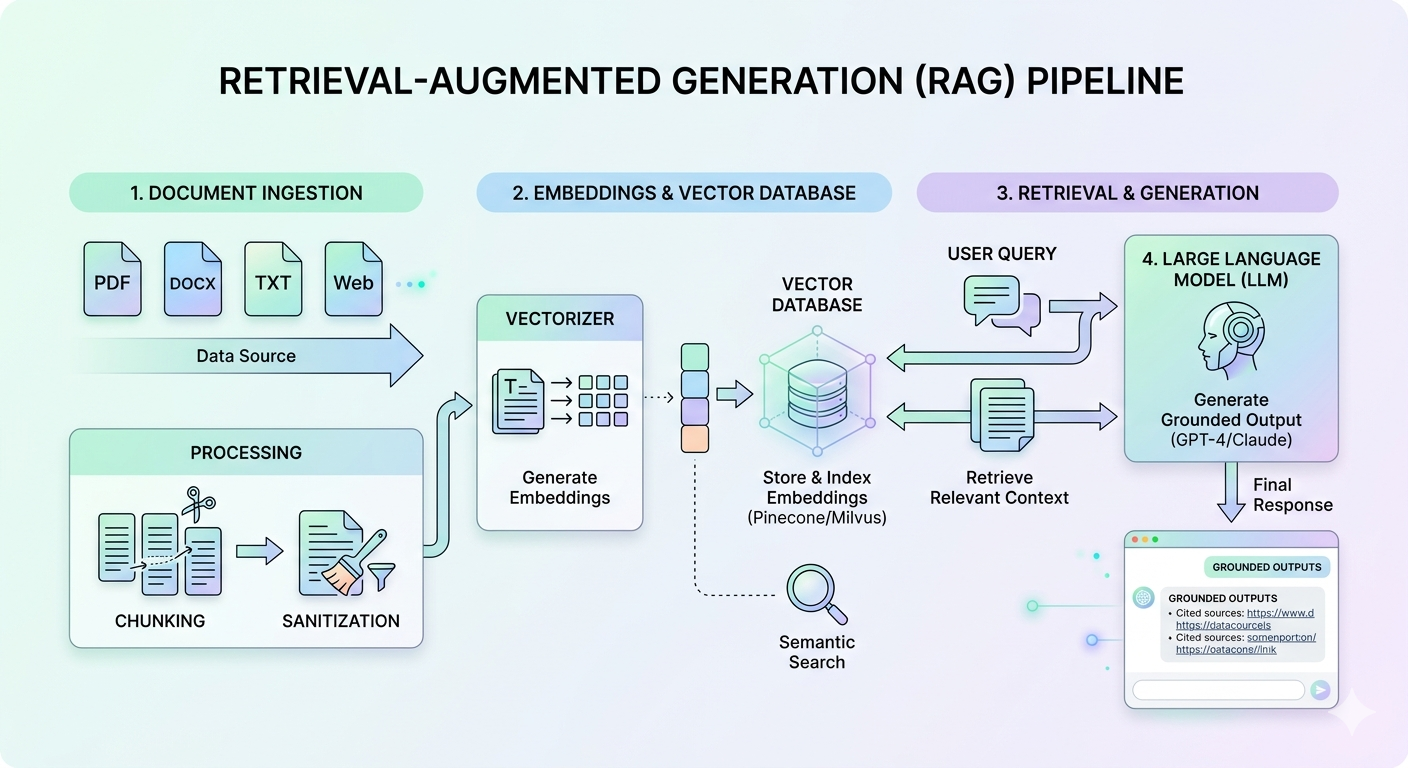
AI models are only as good as the context they are provided. For most SaaS applications, Retrieval-Augmented Generation (RAG) is the bridge between generic theory and practical application. By grounding your model in your own proprietary data, you minimize hallucinations and ensure the output is relevant to your specific domain.
Key components of a solid data strategy include:
- Vector Database Selection: Choose a database that scales with your user base and supports hybrid search.
- Data Sanitization: Ensure that PII (Personally Identifiable Information) is scrubbed before being indexed.
- Chunking Strategy: Experiment with different text-splitting methods to optimize the relevance of retrieved context.
Operationalizing AI
Finally, treat your AI infrastructure like any other mission-critical service. Implement observability tools to monitor token usage, latency, and error rates. Create feedback loops where users can rate AI outputs, and feed that data back into your refinement pipeline.
Bridging the gap is a continuous process. As the technology evolves, your architecture must remain modular, allowing you to swap out models or providers as better, cheaper, or faster alternatives emerge. By focusing on utility, testing, and data integrity, you can transform AI from an experimental feature into a core competitive advantage for your SaaS product.
Related Articles

The Rise of the No-Code Architect
Explore how the No-Code Architect is bridging the gap between business logic and technical...

The Rise of the AI Orchestrator
Discover how AI orchestrators are transforming simple LLMs into complex workflow managers capable...

The Post-IDE Era: Coding with Autonomous Agents
Explore the transition from traditional IDEs to autonomous coding agents and how AI is redefining...

Reverse Engineering the AI Recruiter
Learn how to optimize your resume and application process by understanding the logic behind AI...
The End of Passive AI: Inside Perplexity Computer
Discover how Perplexity's new 'Computer' interface is redefining AI interaction by shifting from...
Ready to Build Something Amazing?
Let's collaborate on your next project and create solutions that make a difference.
Get In Touch