
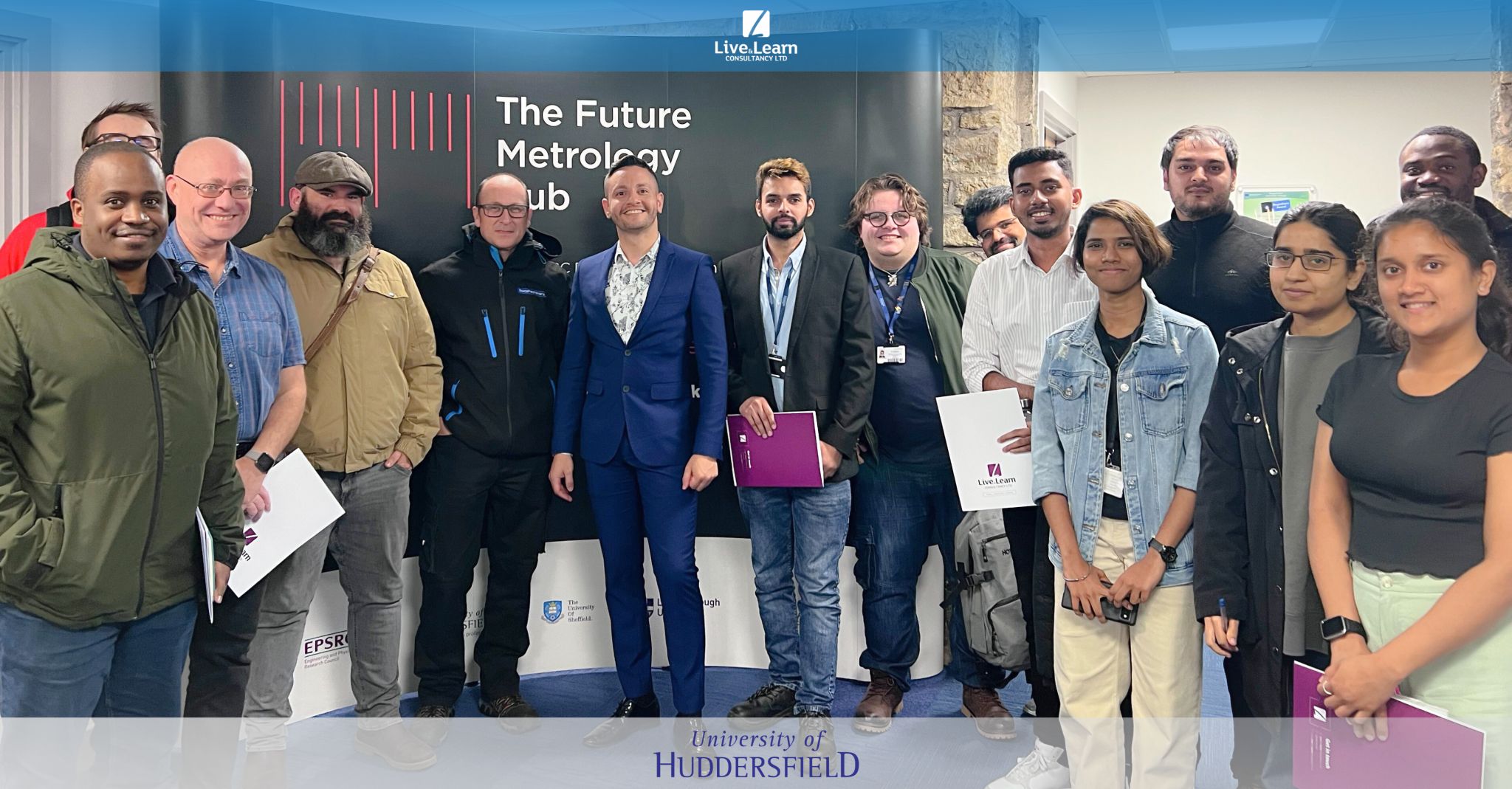
My Experience as a Placement Student

Gulger Mallik
Software Engineer & AI Researcher
Undertaking a placement at the Centre for Precision Technology (CPT) at the University of Huddersfield.
Gaining Real-World Experience at the Centre for Precision Technology
Undertaking a placement at the Centre for Precision Technology (CPT) at the University of Huddersfield provided an invaluable bridge between academic learning and industrial application. This experience was not merely observational; it involved active contribution to cutting-edge projects that define the future of engineering and scientific measurement.
The Development of ATMAS: A Key Project
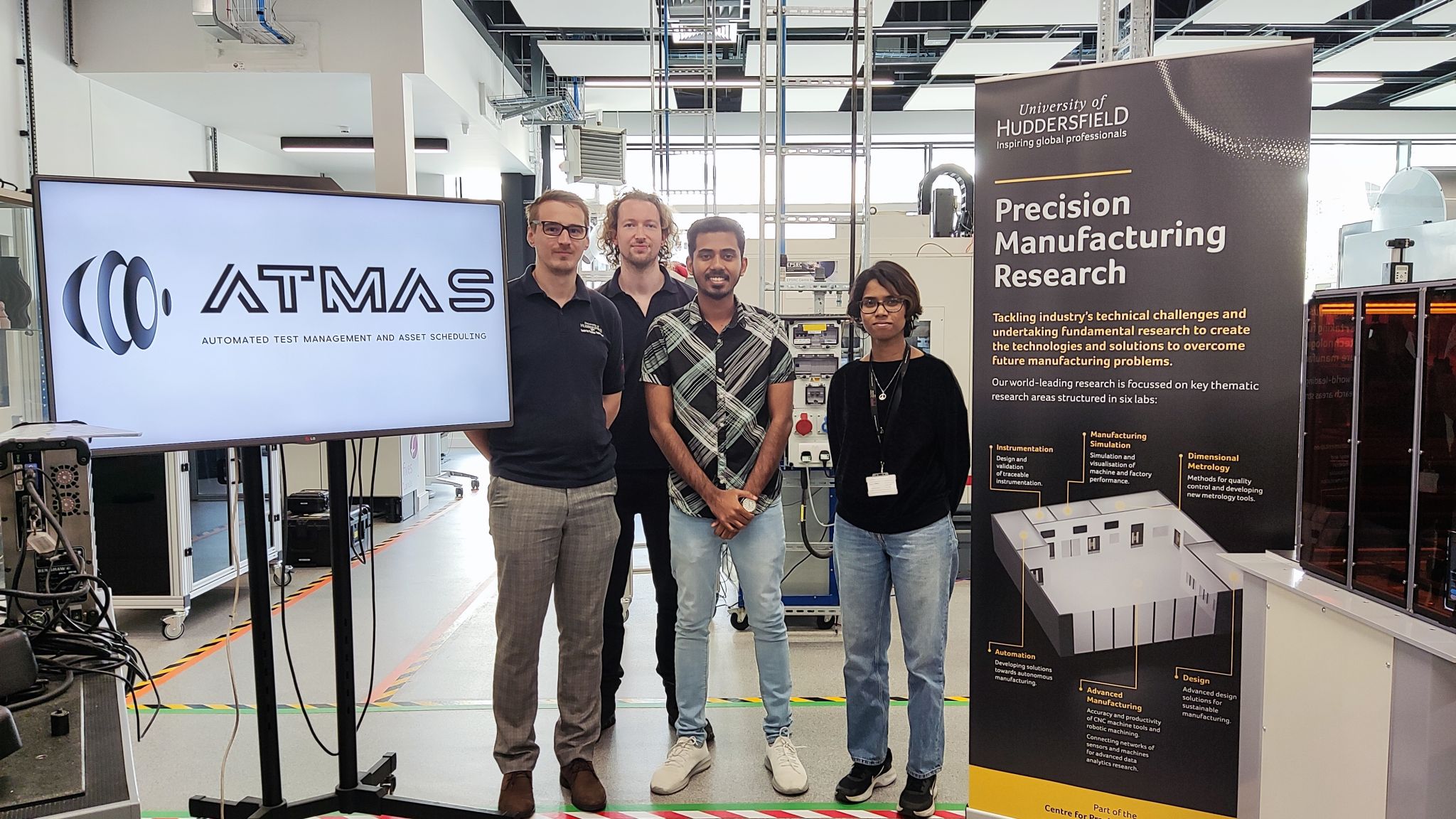
A central component of my placement involved the development of ATMAS (Automated Test Management and Scheduling platform). In the highly regulated and complex world of precision engineering and metrology, efficient test management is paramount. ATMAS was designed to streamline this process, ensuring rigorous adherence to protocols while maximizing efficiency across research activities.
- Test Scheduling Optimization: Creating systems to dynamically allocate resources and schedule complex, multi-stage tests required for high-precision equipment.
- Data Integrity: Implementing features to ensure that test results and configurations were logged accurately and securely, meeting stringent scientific documentation standards.
- User Interface Development: Focusing on intuitive design so that researchers could manage complex testing workflows with minimal training.
Skills Enhanced Through Precision Engineering
The environment at the CPT is inherently multidisciplinary. Working alongside leading academics and engineers exposed me directly to the critical requirements of precision engineering. This field demands tolerances measured in microns, where small errors can invalidate significant research efforts. This exposure reinforced the necessity of robust, reliable software solutions.
The impact of software in scientific environments cannot be overstated; it is the backbone that ensures the repeatability and validity of complex physical experiments.
Practical and Technical Skill Development
Developing ATMAS provided significant practical growth. Beyond core programming skills, the project necessitated an understanding of collaborative research methodologies—how to translate vague operational needs into concrete, executable software requirements. This involved continuous iteration, version control management in a team setting, and debugging complex logic under the pressure of real-world research timelines.
This placement solidified my understanding that modern scientific advancement relies heavily on integrated technology. Contributing to a vital platform like ATMAS was a rewarding experience that significantly advanced both my technical proficiency and my appreciation for the rigorous standards upheld by the Centre for Precision Technology.
Related Articles

The Rise of the No-Code Architect
Explore how the No-Code Architect is bridging the gap between business logic and technical...

The Rise of the AI Orchestrator
Discover how AI orchestrators are transforming simple LLMs into complex workflow managers capable...
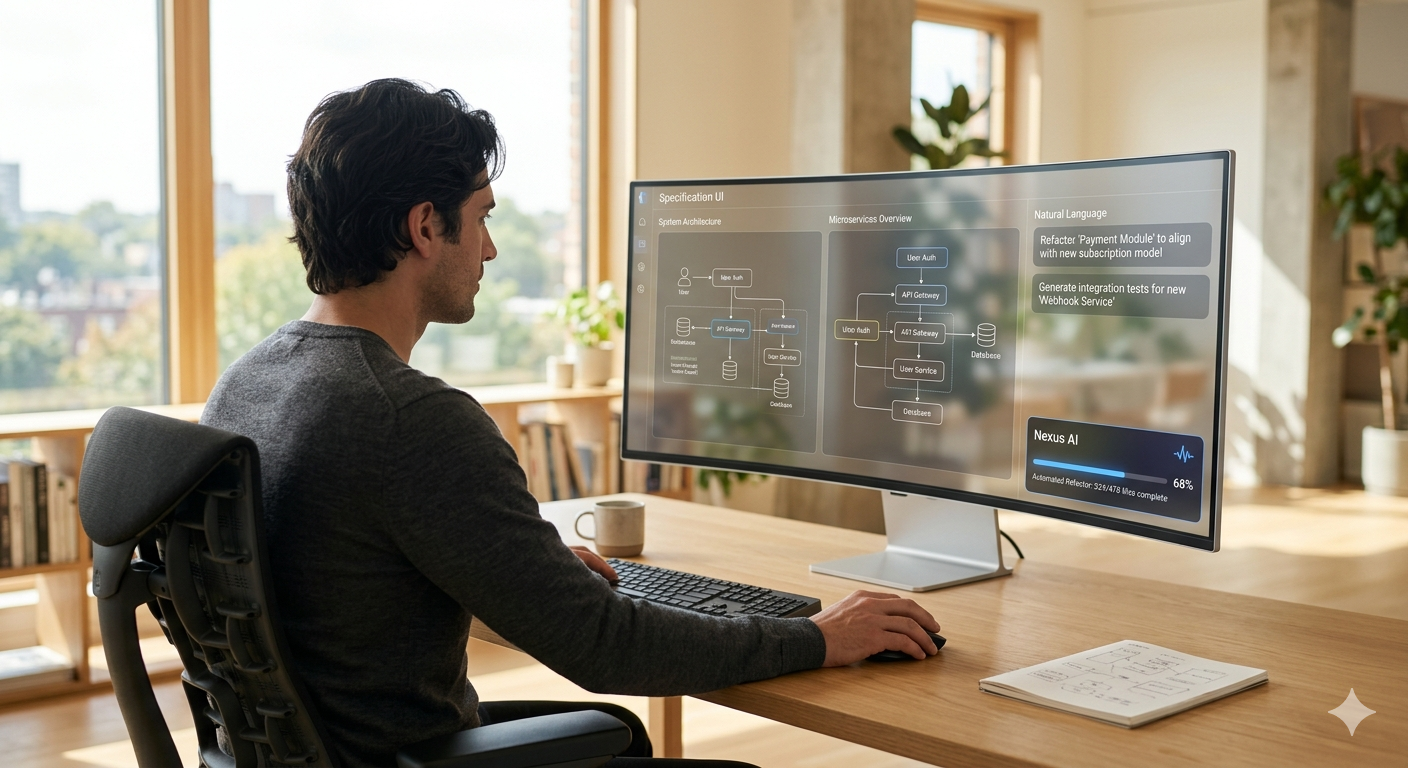
The Post-IDE Era: Coding with Autonomous Agents
Explore the transition from traditional IDEs to autonomous coding agents and how AI is redefining...

Reverse Engineering the AI Recruiter
Learn how to optimize your resume and application process by understanding the logic behind AI...
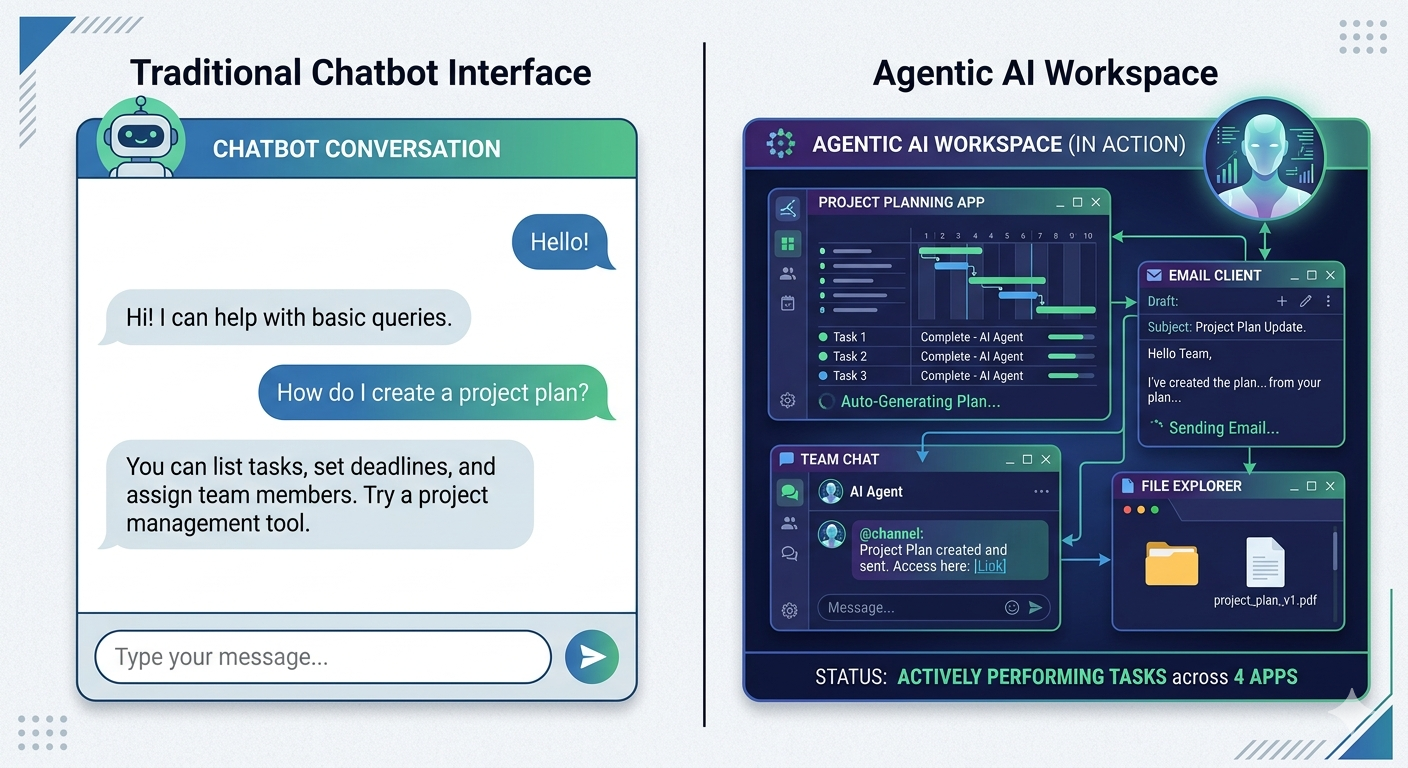
The End of Passive AI: Inside Perplexity Computer
Discover how Perplexity's new 'Computer' interface is redefining AI interaction by shifting from...
Ready to Build Something Amazing?
Let's collaborate on your next project and create solutions that make a difference.
Get In Touch