
The Evolution of a Role: From Assistant to Technician

Gulger Mallik
Software Engineer & AI Researcher
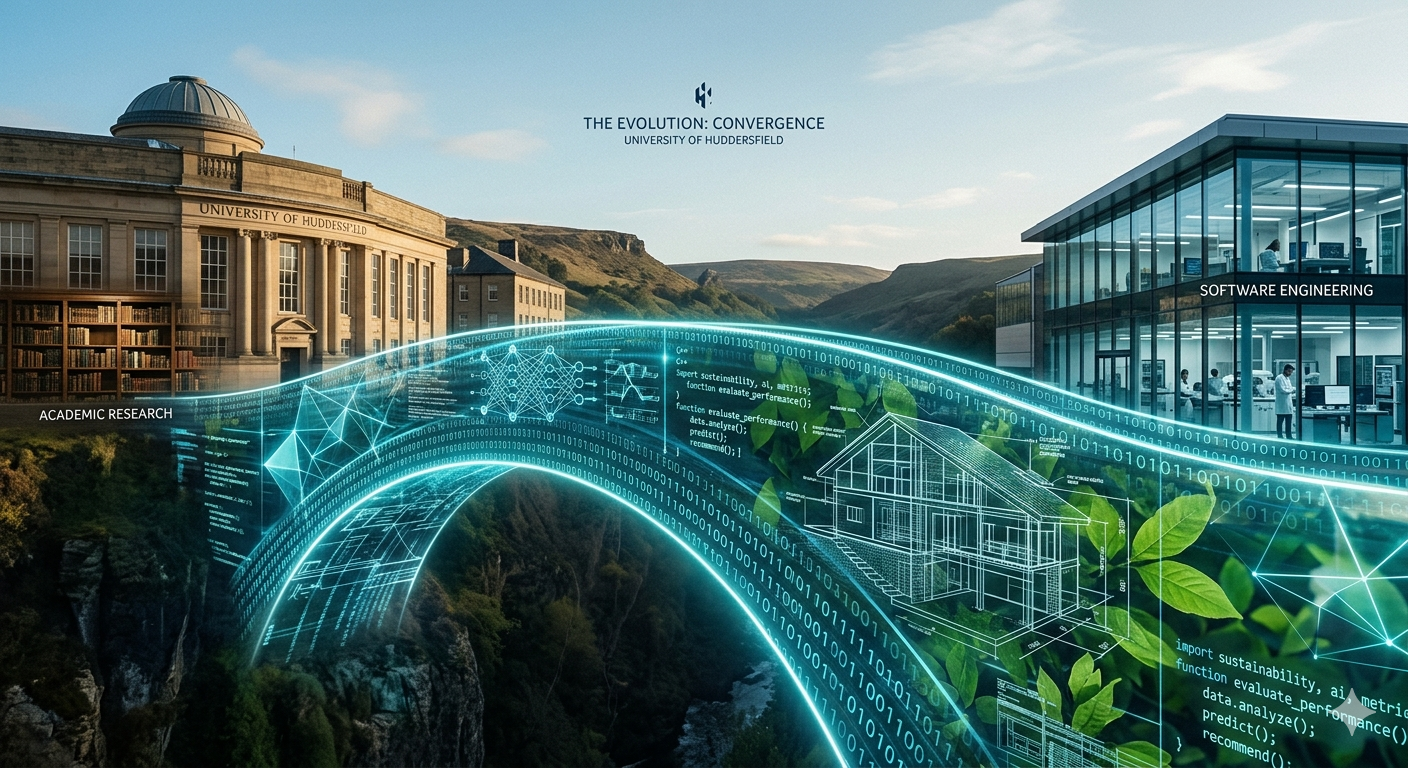
Reflecting on my transition to Research Technician at the University of Huddersfield, I explore how I bridge the gap between academic research and engineering.
The Evolution of a Role: From Assistant to Technician
I have recently transitioned into a new chapter of my professional journey at the University of Huddersfield, stepping into the role of Research Technician. While the title on my business card has shifted from Research Assistant to Research Technician, the core substance of my daily operations remains remarkably consistent. This change in designation, however, has prompted me to reflect deeply on the unique space I occupy within the university ecosystem.
Bridging the Gap: Research Meets Engineering
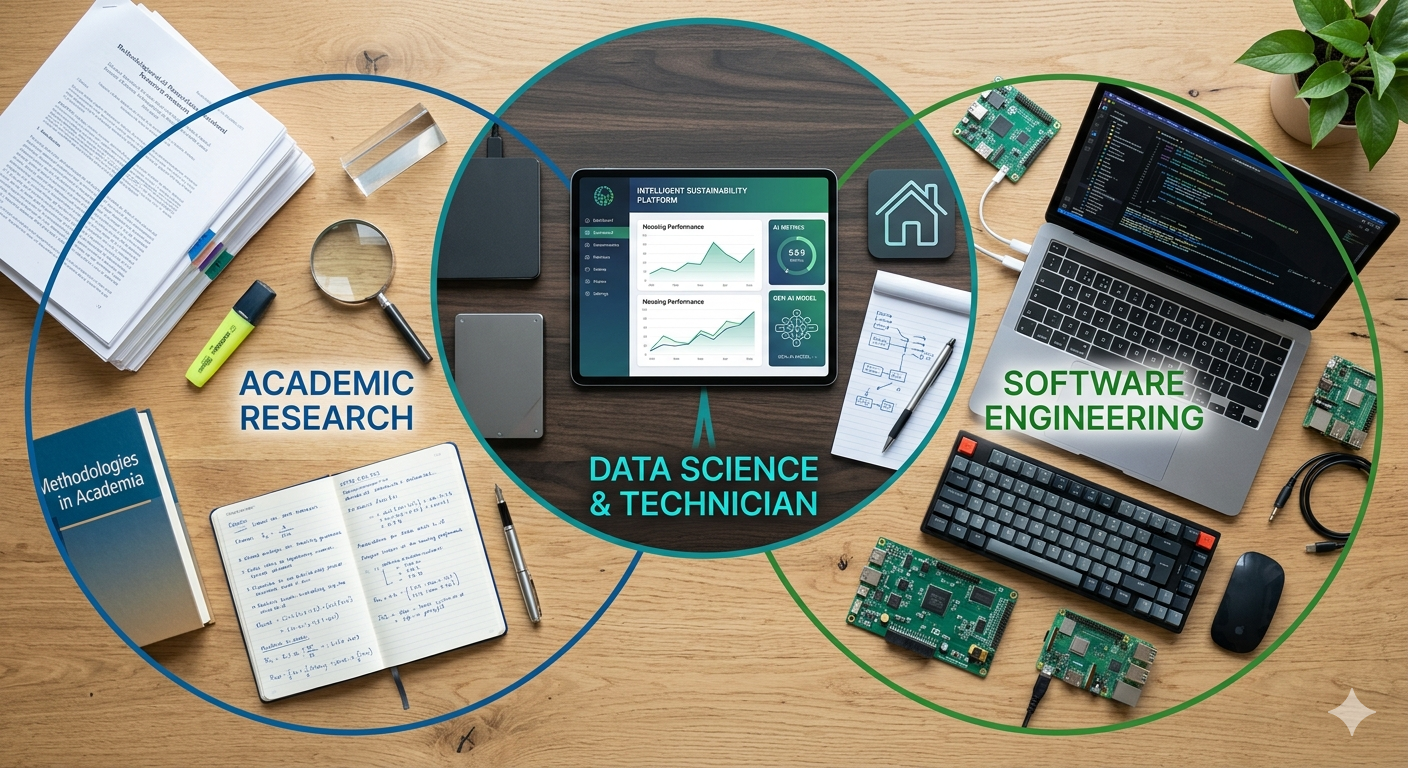
To understand my role, one must first look at the distinct methodologies of software engineering and academic research. A software engineer is primarily a builder; they translate end-user requirements into functional systems designed to solve specific, immediate problems. Conversely, a researcher is an explorer; they conduct extensive investigations to uncover truths and propose theoretical solutions to complex, often abstract problems.
My role as a Research Technician is to act as the bridge between these two worlds. I am not just documenting findings or writing code in isolation; I am tasked with bringing research to life. This means taking the theoretical frameworks developed in the lab and engineering them into robust, intelligent platforms that can survive in the real world.
Engineering Sustainability through AI
Currently, my primary focus is developing an intelligent sustainability platform. This project represents the intersection of my dual responsibilities. By leveraging generative AI and machine learning models, I am building a system that serves three critical functions for housing performance:
- Assessing housing performance metrics through data-driven insights.
- Predicting system failures before they occur to mitigate costly repairs.
- Recommending targeted enhancements to improve long-term environmental efficiency.
Ultimately, my work is about transforming knowledge into utility. While the labels we give our jobs may change as we climb the ladder, the importance of the work—the actual 'how' and 'why' of what we do—remains the true north. Whether I am called an Assistant or a Technician, my goal remains the same: to solve problems by building smarter, more efficient systems.
Related Articles
Job Tracker AI
JobTracker AI is a smart, streamlined platform I built to organise, track, and optimise every stage...
ML for Carbon Capture and Storage
A UKRI‑funded research project with the University of Huddersfield and Terrasphere, developing...

The Rise of the No-Code Architect
Explore how the No-Code Architect is bridging the gap between business logic and technical...

The Rise of the AI Orchestrator
Discover how AI orchestrators are transforming simple LLMs into complex workflow managers capable...

The Post-IDE Era: Coding with Autonomous Agents
Explore the transition from traditional IDEs to autonomous coding agents and how AI is redefining...
Ready to Build Something Amazing?
Let's collaborate on your next project and create solutions that make a difference.
Get In Touch