

Academic Rep

Gulger Mallik
Software Engineer & AI Researcher
Discover the crucial role of an Academic Representative in bridging student needs with faculty decisions, enhancing communication, and driving positive change.
The Essential Role of the Academic Representative
Serving as an Academic Representative (often abbreviated as 'AcRep') is one of the most impactful positions a student can undertake within a university or college setting. This role transcends simple representation; it is about actively shaping the educational environment for peers. As an AcRep, your primary function is to act as the critical liaison between the student body and the academic staff, ensuring that the student experience is both equitable and optimized for learning.
Bridging the Gap: Feedback and Articulation
The foundation of effective representation lies in robust communication channels. A successful Academic Representative must be adept at two-way dialogue. This involves proactively gathering honest, constructive feedback from diverse groups of students regarding modules, teaching methodologies, resources, and assessment fairness.
- Systematic Feedback Collection: Utilizing surveys, informal discussions, and dedicated feedback sessions to capture the collective voice.
- Articulating Concerns: Translating raw student sentiment into professional, actionable points for faculty and departmental committees.
Driving Tangible Change Through Advocacy
The true measure of an AcRep’s success is the tangible improvement seen in the student experience. This requires strong advocacy skills when presenting issues to faculty boards or curriculum committees. Successfully navigating these formal structures often leads to meaningful policy adjustments.
Key achievements often center around resolving scheduling conflicts, ensuring assessment criteria are clearly communicated, or advocating for reasonable adjustments to deadlines during peak workload periods.
For instance, advocating for flexible timetable adjustments can significantly reduce student stress, allowing for better engagement with complex material. Similarly, negotiating deadline extensions in response to unforeseen circumstances demonstrates the faculty's commitment to student welfare, a direct result of effective representation.

Skill Development: A Launchpad for Future Leaders
Beyond the immediate benefits to the cohort, the role of Academic Representative is invaluable for personal and professional development. It forces the individual to operate in a professional capacity, often dealing with sensitive information and high-stakes decisions.
- Leadership: Taking ownership of issues and guiding peers toward consensus.
- Communication: Mastering the art of clear, persuasive, and diplomatic verbal and written exchange.
- Negotiation: Finding mutually acceptable solutions when student needs and institutional constraints appear to conflict.
In conclusion, the Academic Representative is more than just a messenger; they are an agent of positive change, equipped with the skills necessary to advocate effectively and improve the educational journey for every student they serve.
Related Articles

The Rise of the No-Code Architect
Explore how the No-Code Architect is bridging the gap between business logic and technical...

The Rise of the AI Orchestrator
Discover how AI orchestrators are transforming simple LLMs into complex workflow managers capable...

The Post-IDE Era: Coding with Autonomous Agents
Explore the transition from traditional IDEs to autonomous coding agents and how AI is redefining...

Reverse Engineering the AI Recruiter
Learn how to optimize your resume and application process by understanding the logic behind AI...
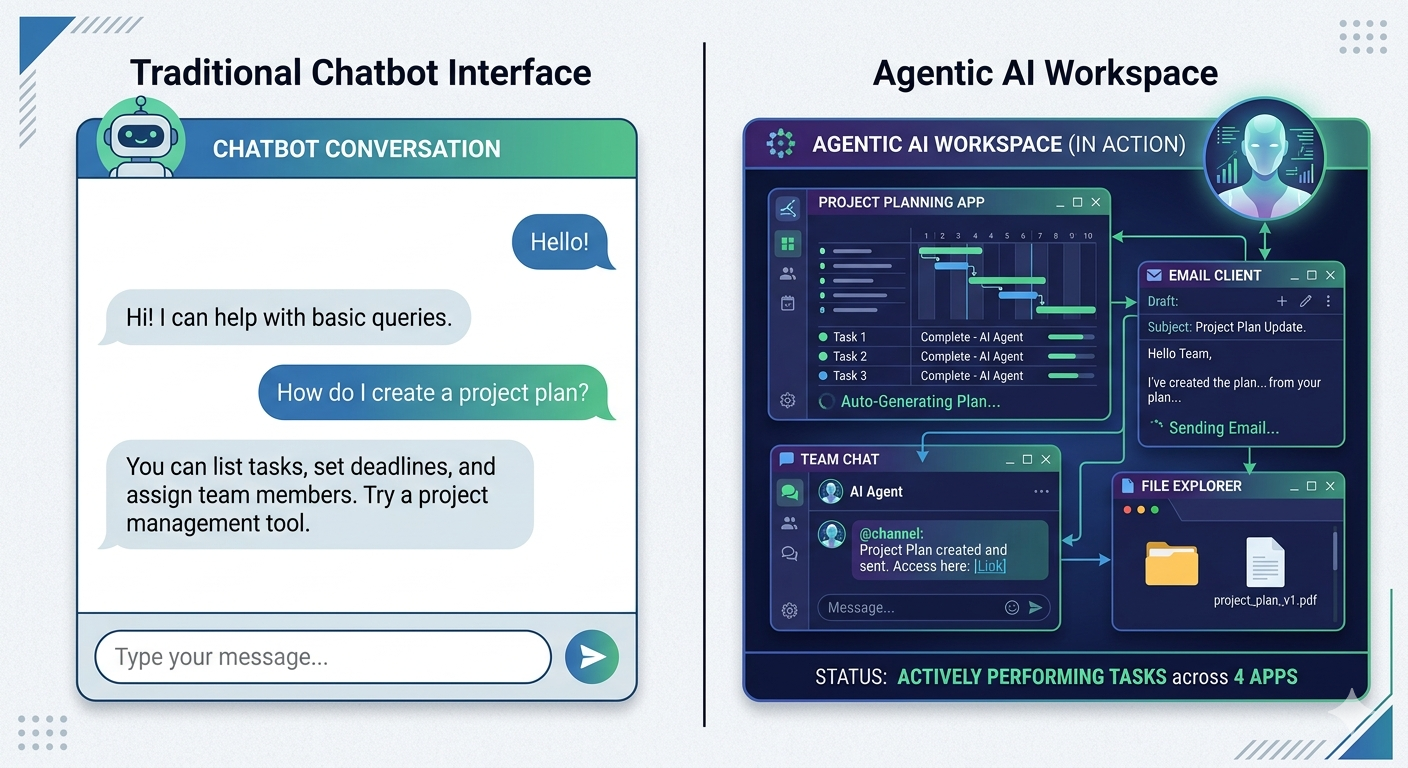
The End of Passive AI: Inside Perplexity Computer
Discover how Perplexity's new 'Computer' interface is redefining AI interaction by shifting from...
Ready to Build Something Amazing?
Let's collaborate on your next project and create solutions that make a difference.
Get In Touch